
Arabic Creators.
Young Voices.
Digital Futures.
Empowering Youth to Create Arabic Digital Content.
A youth-led educational innovation initiative enabling young people in Northern Bekaa, Lebanon, to create meaningful Arabic-language digital content through storytelling, animation, multimedia and AI-assisted creative tools.
Recognized with the 2025 Ciena Solutions Challenge Sustainability Award, the initiative supports young people to become creators of educational content, rather than passive consumers.
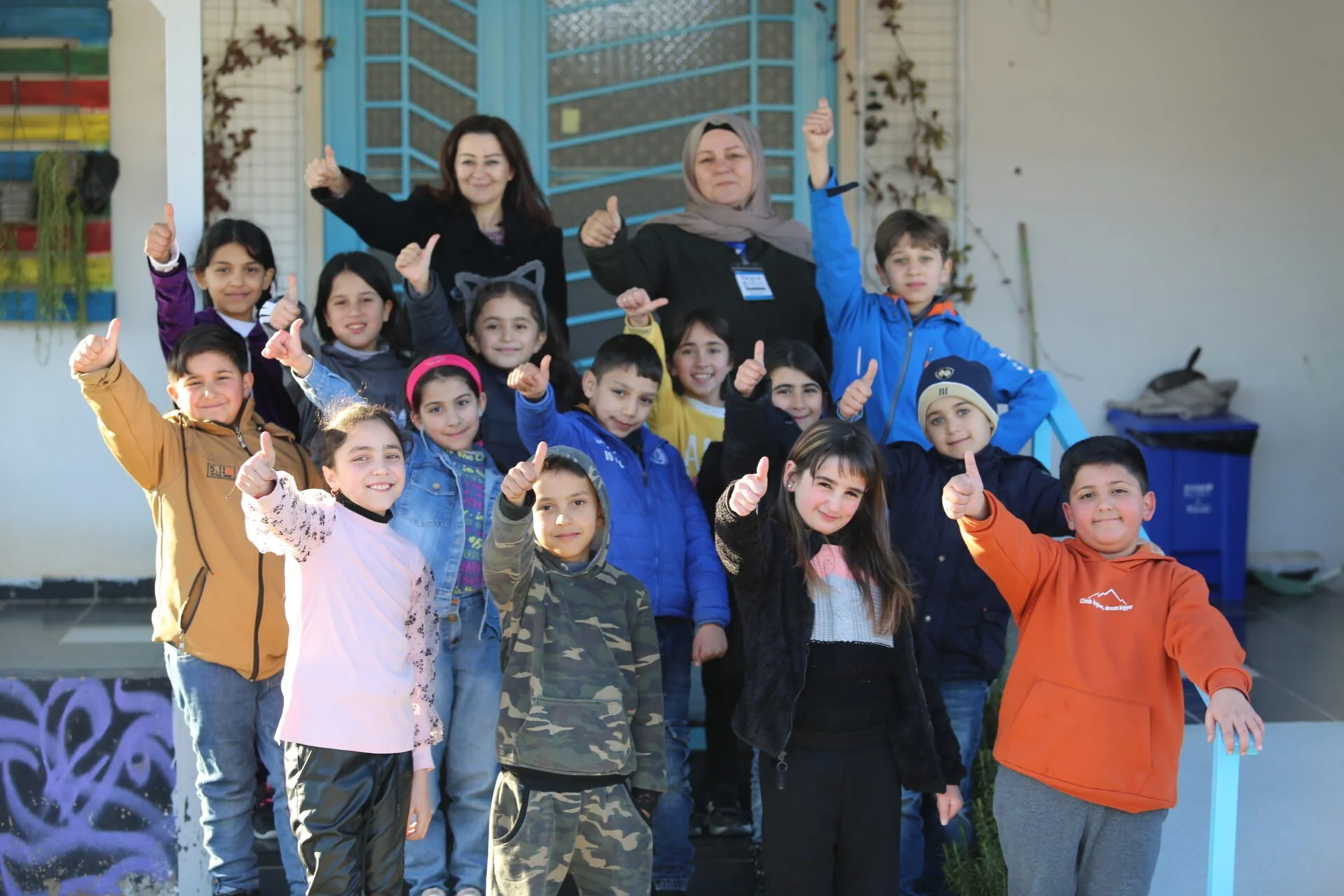 Arabic Creators · Youth-Led Learning
From consuming content to creating knowledge.
Arabic Creators: Empowering Youth to Create Arabic Digital Content is a Peace of Art initiative launched in March 2025 in Northern Bekaa, Lebanon.
The project addresses a gap in accessible, engaging and culturally relevant Arabic-language educational content, particularly for young people in rural and underserved communities.
Through storytelling, animation, illustration, multimedia production and AI-assisted tools, participating young people are supported to develop their own educational materials.
The programme places young learners at the centre of the creative process. They are encouraged to decide what stories matter, develop characters, shape narratives, experiment with technology and present their work.
Arabic Creators builds on Peace of Art's experience in participatory arts education and children's storytelling, including the earlier Stories in Colours initiative.
Educational innovation rooted in language and identity.
The project responds to the need for educational materials that speak to young Arabic-speaking learners in their own language and reflect their cultural experiences and communities.
Language & Identity
Supporting young people to create stories and educational materials in Arabic, connecting digital learning with culture and belonging.
Digital Inclusion
Introducing accessible creative technologies to young learners who may have limited opportunities to explore digital production tools.
Youth Ownership
Giving young participants an active role in choosing topics, developing stories and shaping the content they want to share.
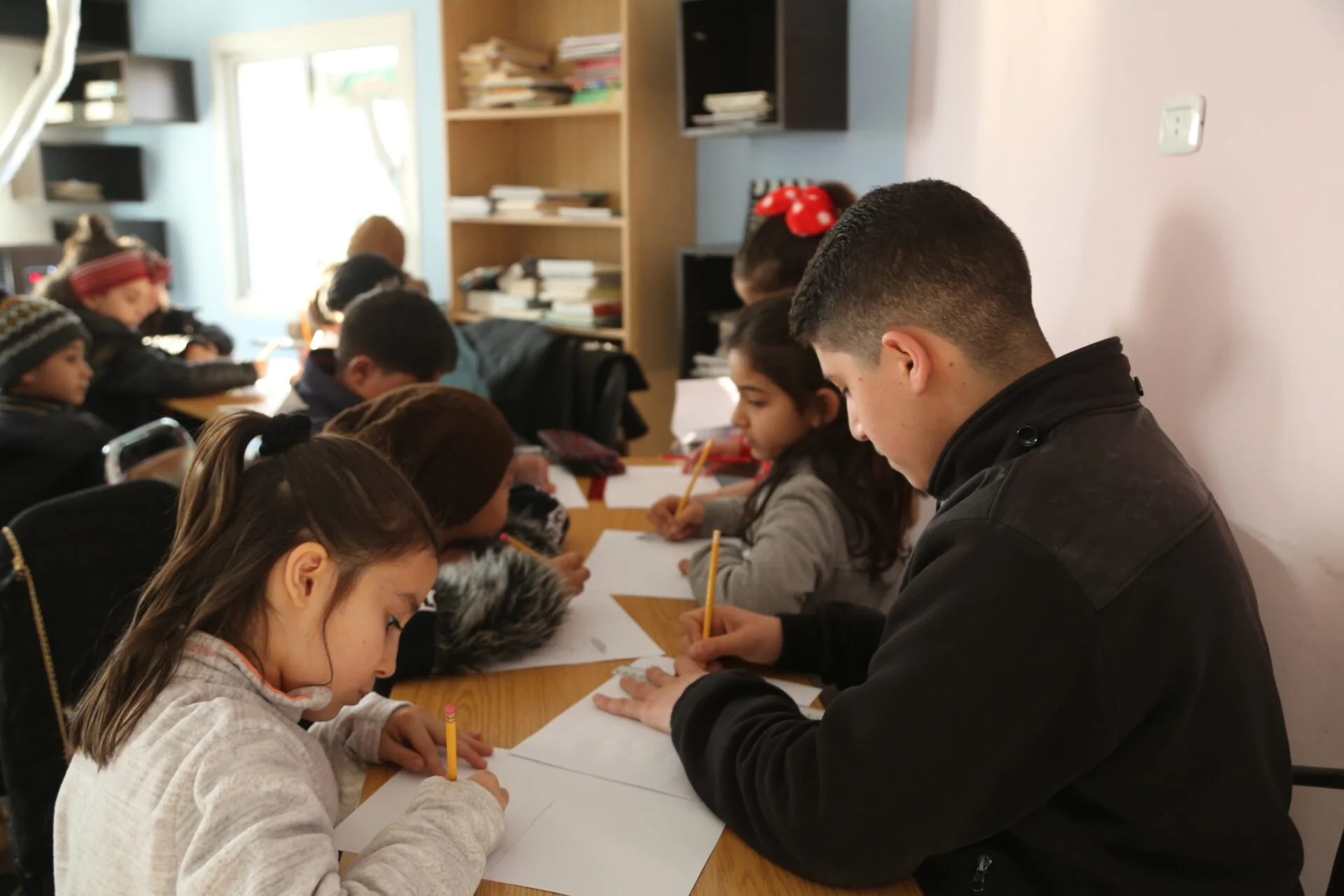 Creative Writing & Story Design
Every learner has a story to tell.
Storytelling forms the creative foundation of Arabic Creators.
Instead of relying exclusively on prepared educational materials, facilitators encourage young people to explore their own ideas, interests and experiences.
Participants develop characters, settings and narratives, then explore ways to transform these ideas into illustrated, narrated and digital formats.
The approach encourages experimentation, collaboration and ownership of the learning process.
Using technology to expand creative possibilities.
Arabic Creators introduces accessible digital tools that help participants turn ideas into multimedia educational content.
AI-Assisted Creativity
Exploring AI writing and creative-support tools as aids for developing stories and educational ideas, while retaining student ownership.
Animation & Illustration
Learning how characters, visual design and animation can make Arabic educational content engaging and accessible.
Audio & Multimedia
Developing skills in narration, audio production and digital editing to create content in different formats.
Learning through experimentation and ownership.
Peace of Art's published project account emphasizes a learner-centred approach.
Participants are invited to choose what they want to communicate and to test different ways of presenting their ideas.
Facilitators provide mentoring and practical support, adapting the pace to the participants' experience with technology.
Peer mentoring, trial and error, constructive feedback and small achievements are used to make digital learning more inclusive.
This approach is particularly relevant for young learners encountering unfamiliar digital tools for the first time.
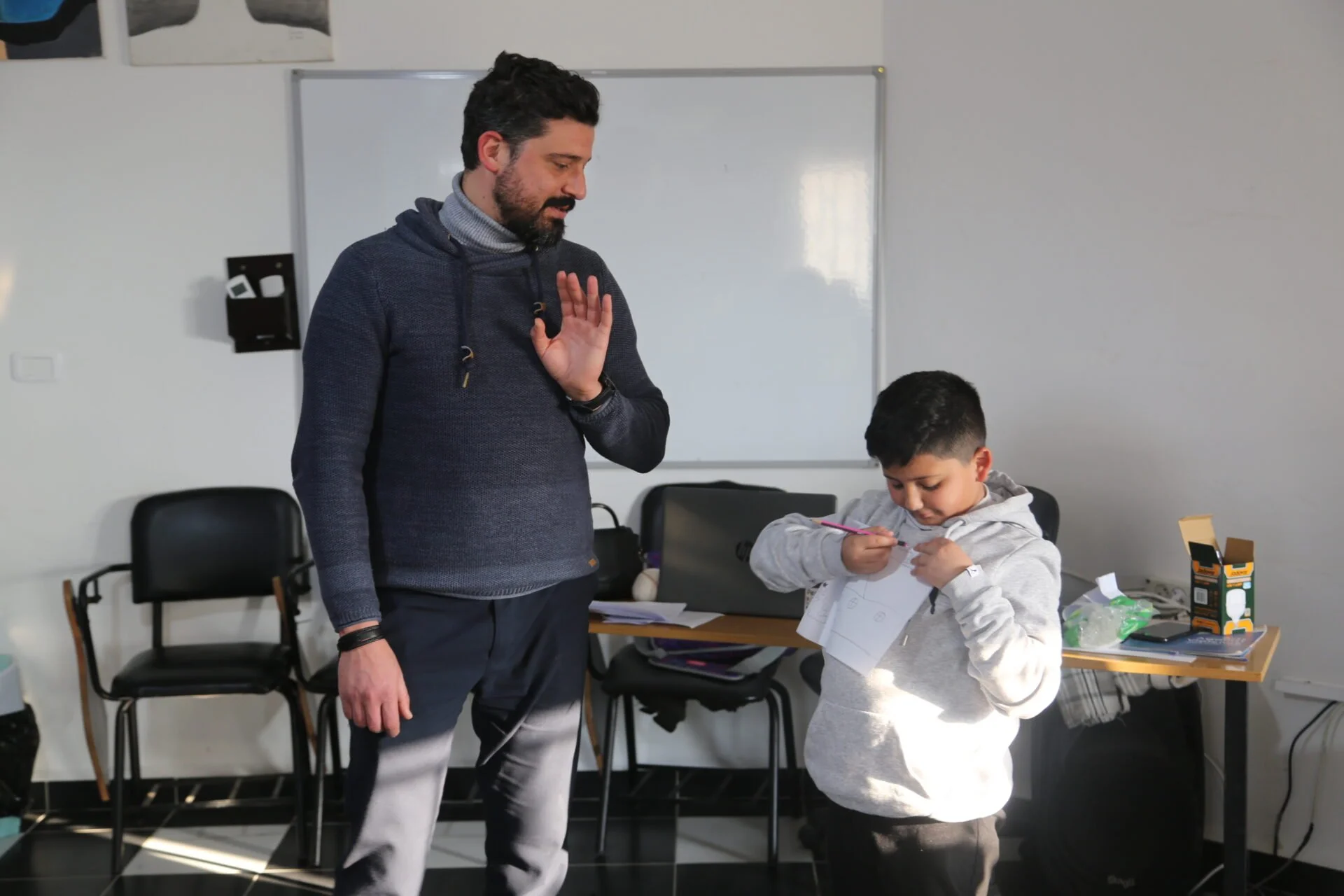 Student-Led Story Design
From an idea to Arabic educational content.
The project combines participatory storytelling with practical digital-media learning.
Imagine
Participants identify a topic, story or educational idea they want to explore.
Design
Young creators develop characters, narratives, illustrations and content concepts.
Produce
Participants use accessible multimedia and AI-assisted tools to develop their work.
Reflect & Improve
Learners present drafts, receive feedback, revise their work and develop confidence.
2025 Ciena Solutions Challenge Sustainability Award.
Arabic Creators received recognition through the 2025 Ciena Solutions Challenge Sustainability Award, associated with Digital Promise.
The award recognizes the project's approach to youth-led educational innovation and supports its further development.
Peace of Art's published project description identifies the award as an opportunity to expand Arabic educational content development, support more young creators and work toward a sustainable digital learning ecosystem.
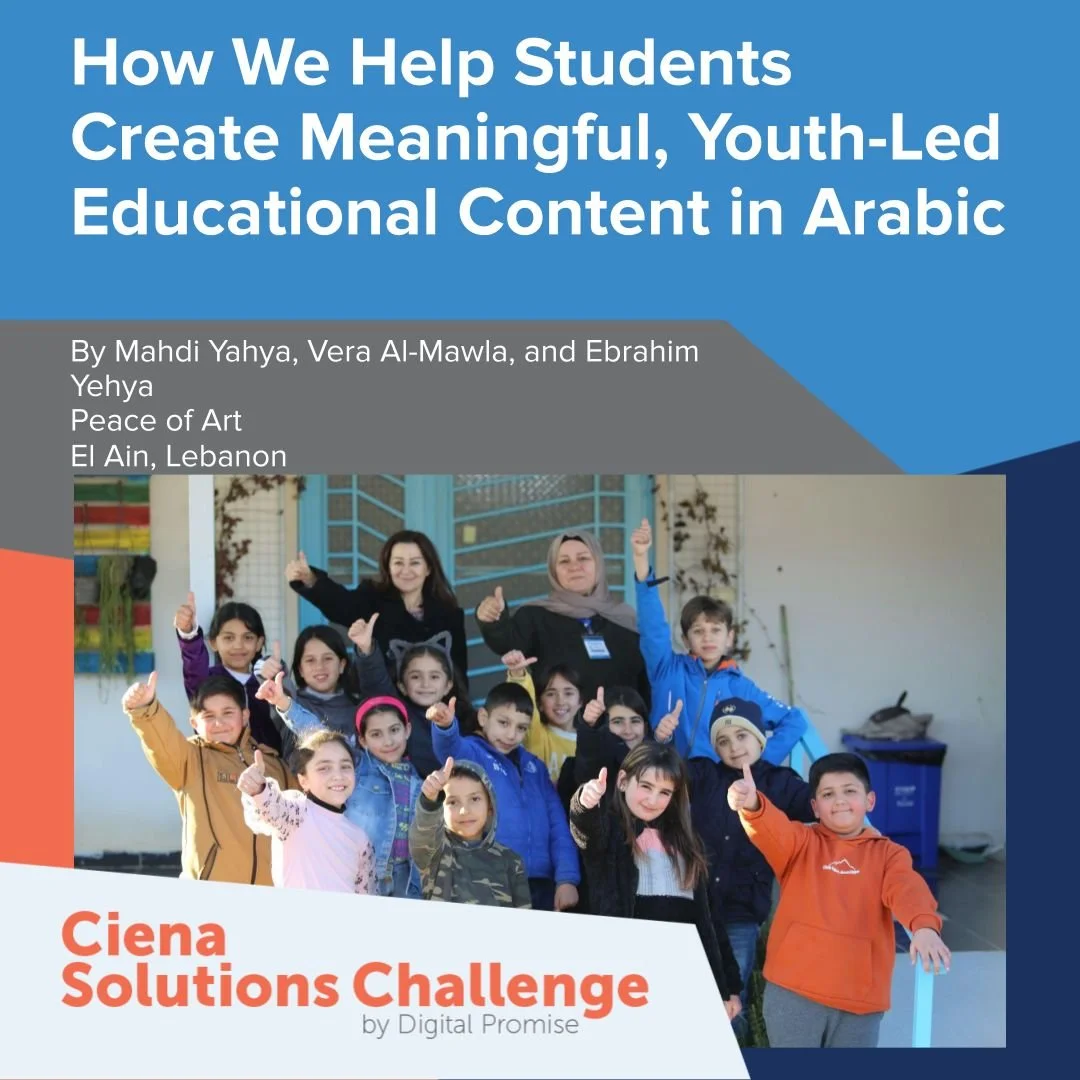 Digital Promise · Ciena Solutions Challenge
Young people creating, learning and imagining.
Four original images drawn from Peace of Art's published Digital Promise project feature.
Supporting young people to become digital creators.
The published project account documents ongoing training, mentorship and creative participation in Arabic educational storytelling.
Story Development
Young participants developing original ideas, characters, narratives and illustrations.
Digital Skills
Practical exposure to animation, multimedia production, audio tools and AI-assisted creativity.
International Recognition
Recognition through the 2025 Ciena Solutions Challenge Sustainability Award.
Transparency note: The Arabic digital library and educator methodology are described as ongoing development objectives. They are not presented as fully completed or publicly released outputs.
Toward an accessible Arabic digital learning library.
Peace of Art's long-term ambition is to develop a collection of Arabic educational materials created with young people and made accessible to wider learning communities.
The project also aims to strengthen mentorship, support educators and document a replicable methodology for participatory storytelling and creative digital education.
This approach connects local youth creativity in Northern Bekaa with a broader vision of inclusive Arabic-language education and innovation.
From local learning to wider educational access.
Supporting youth-led educational innovation.
Arabic Creators is connected with the Digital Promise / Ciena Solutions Challenge and received the 2025 Sustainability Award.
Digital learning and Arabic content creation.
The project budget is €3,000, as provided in Peace of Art's project information.
The initiative focuses on youth training, creative learning and development of Arabic-language educational content.
Ciena Solutions Challenge
2025 Sustainability Award recognition.
Explore the ChallengeFinancial reporting: €3,000 is the stated project budget. This page does not equate that amount with a separately verified award disbursement or final expenditure.
How we help students create meaningful Arabic content.
Peace of Art published a detailed account of its youth-led Arabic digital education approach, connected with Digital Promise.
How We Help Students Create Meaningful, Youth-Led Educational Content in Arabic
By Mahdi Yahya, Vera Al-Mawla and Ebrahim Yehya.
The article explores student ownership, culturally relevant Arabic storytelling, digital tools, peer mentoring and the long-term ambition of developing a sustainable Arabic educational library.
Explore the project and its wider context.
Published Arabic Creators Article
First-hand project account covering creative learning, mentoring, digital storytelling and future development.
Ciena Solutions Challenge
Programme associated with Arabic Creators' 2025 Sustainability Award.
Peace of Art USA Projects
International partnership context and the U.S.-linked digital education initiative.
Peace of Art Photo Gallery
Photographic documentation of the organization's educational and community initiatives.
Previous & Current Projects
Explore Peace of Art's wider work in education, youth leadership, creative participation and peacebuilding.
When young people create educational content in their own language, they do more than learn digital skills. They become authors of their stories and participants in shaping the future of education.