
Peace is global. Meaningful change begins locally.
We do not believe that one model of peacebuilding can simply be transferred from one country to another. Communities have different histories, cultures, challenges and priorities. Our international approach begins by respecting that difference.
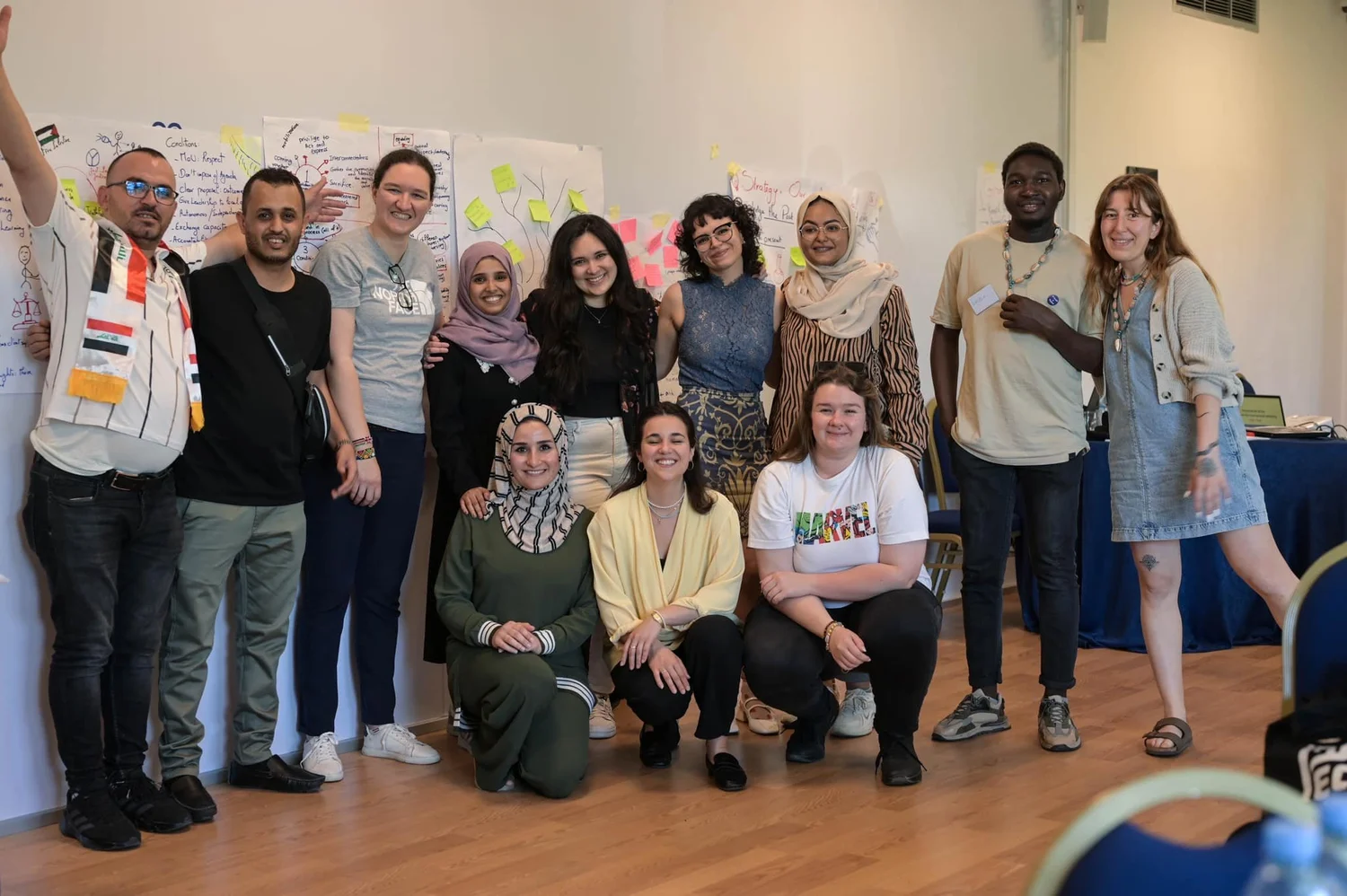
The community is the starting point.
International cooperation should strengthen local knowledge — not replace it.
The people closest to a challenge understand realities that cannot be fully understood from a distance. That is why each Peace of Art organization develops its work within its own social, legal and cultural context.
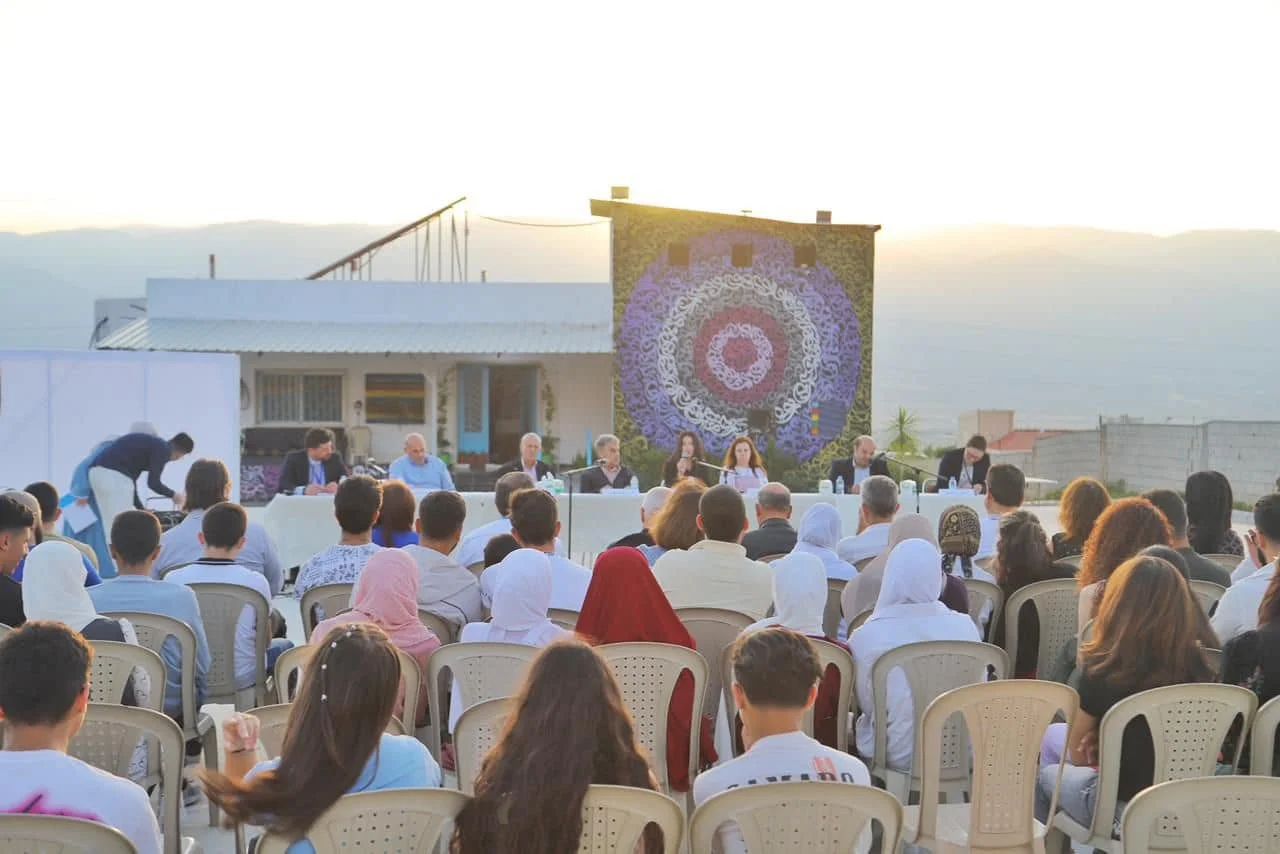
Local legitimacy comes before international visibility.
Good ideas should be able to travel.
What works in one community may inspire learning somewhere else — without assuming that the same solution will fit every context.
Through the international network, experiences can become conversations. Conversations can become methodologies. Methodologies can generate new partnerships, programs and ideas.
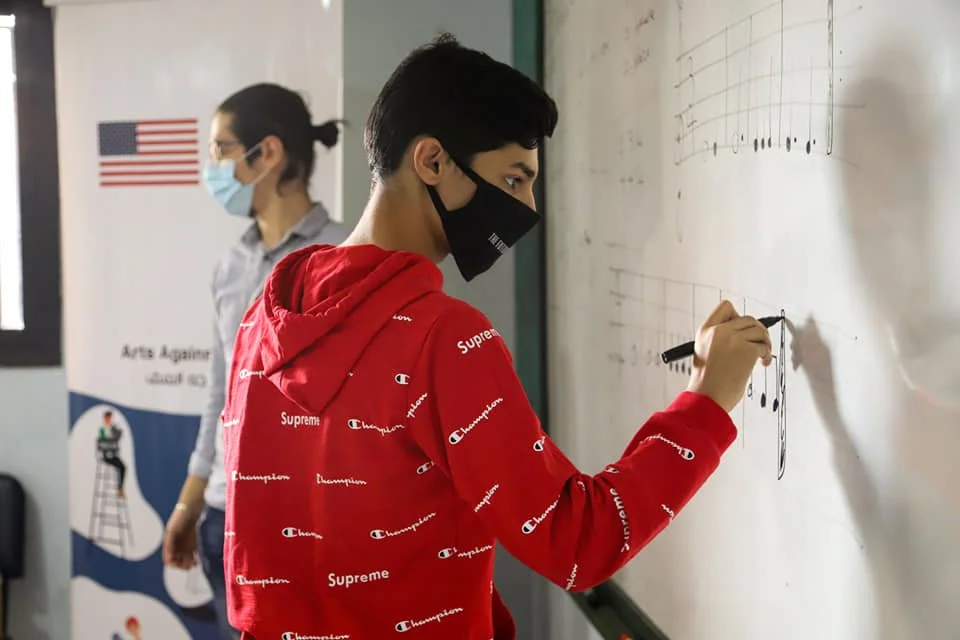
International cooperation is a learning loop.
Knowledge does not simply move outward from communities toward international spaces. It should return through new skills, stronger organizations, better partnerships and new opportunities.
Young people are not waiting for peace.
They are already shaping the societies in which peace must be built.
Youth empowerment is central to our international approach. Through dialogue, leadership, education, creativity, civic participation and exchange, young people can develop the ability to work across differences and build solutions in their own communities.
We do not define peace for young people. We create opportunities for them to experience it, question it, shape it and lead it.
One vision. Independent organizations.
Peace of Art International operates through a federated international network model.
The Network connects three legally independent National Affiliates. Each maintains its own governance, legal identity, finances, personnel, programs and responsibilities.
Peace of Art Lebanon
The organization from which the Peace of Art journey began.
Peace of Art USA
Supporting cooperation, education and international engagement.
Peace of Art Deutschland e.V.
Strengthening our presence in Germany and Europe.
Connected does not mean controlled.
No National Affiliate owns or controls another.
The international network exists to make cooperation possible while preserving the legitimacy, independence and knowledge of each organization.
rather than hierarchy.
rather than dependency.
strengthened by international solidarity.
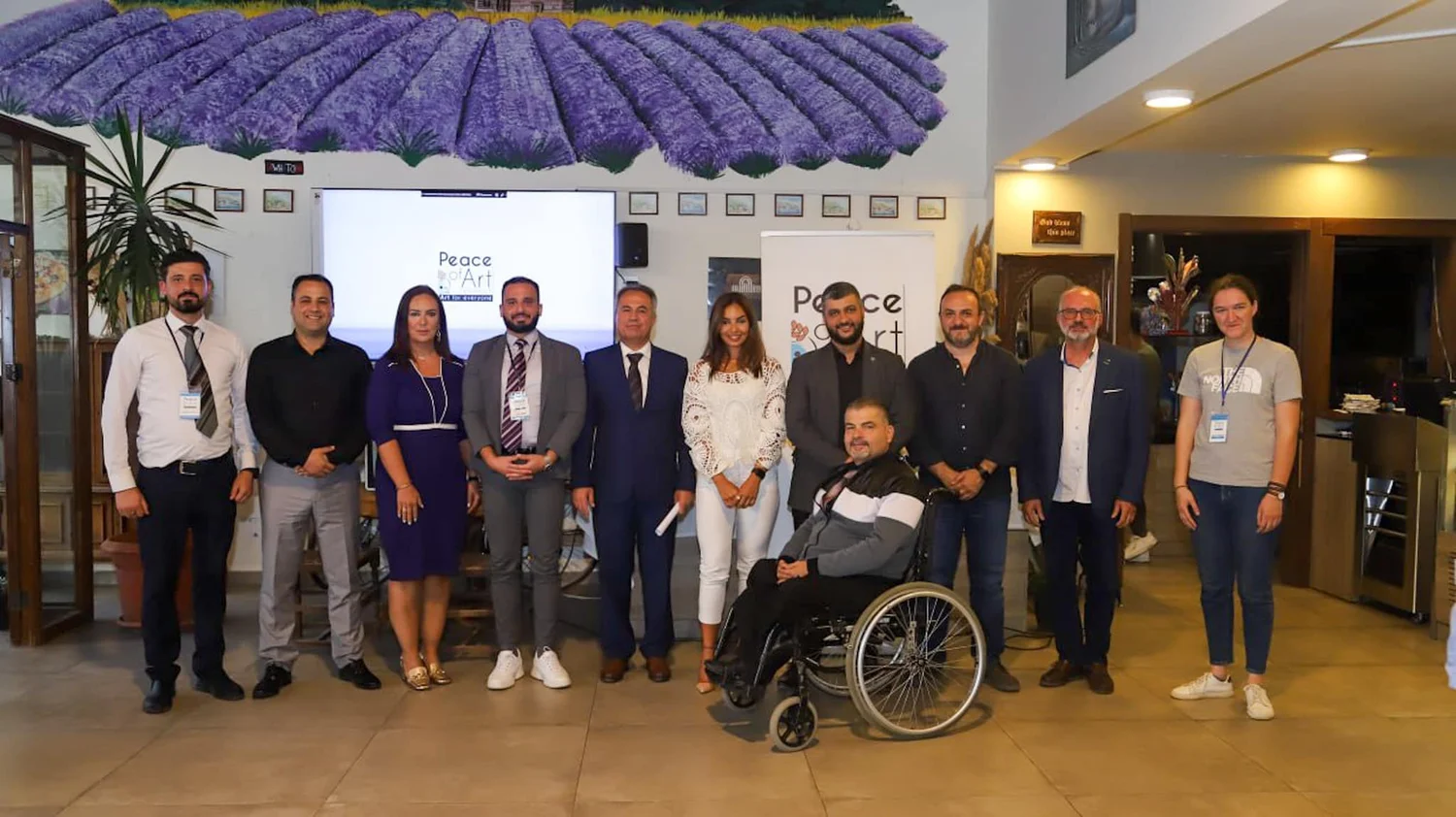
We share more than a name.
International cooperation creates practical connections between people, ideas, institutions and opportunities.
Methods, research and lessons learned.
Youth, practitioners, artists and experts.
Joint initiatives and exchanges.
Institutions, networks and communities.
Professional and organizational learning.
New spaces for cooperation across borders.
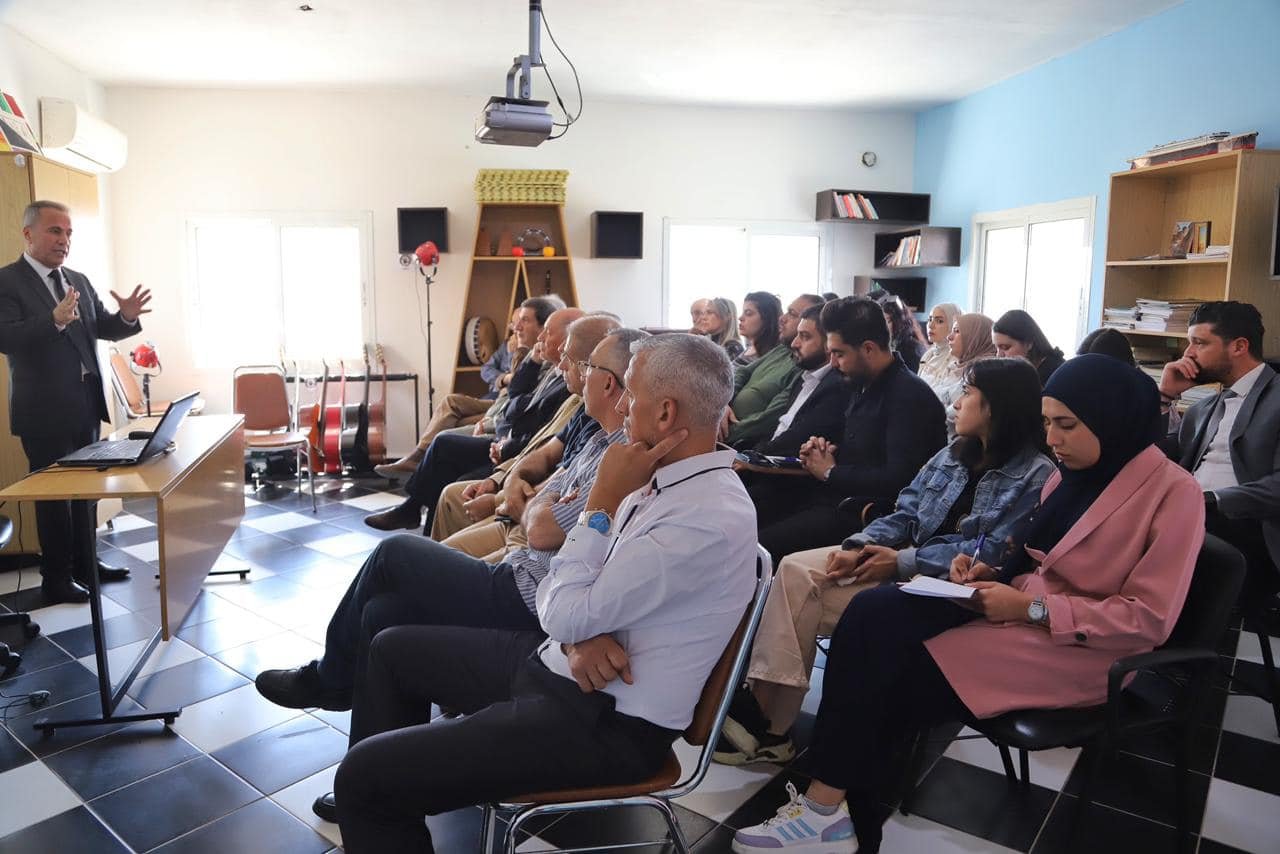
International reach. Local relevance.
Becoming international should not mean becoming distant from communities.
The purpose of the Peace of Art International network is therefore not expansion for its own sake. It is to connect experiences, people, knowledge and opportunities in ways that strengthen the organizations and communities at the heart of the work.
International cooperation matters most when its value can be felt locally.
Many routes. One shared direction.
Cooperation requires trust.
Our international framework is strengthened through governance, safeguarding, transparency and clearly defined responsibilities between organizations.
Different places. One shared commitment to peace.
Explore the organizations, programs and people that bring the Peace of Art International network to life.