

How We Build Peace.
Peace is built through participation.
Peace of Art works at the intersection of peacebuilding, arts and culture, education, civic participation, humanitarian action and community development — creating spaces where people can learn, express, participate and connect across differences.
We work where people meet.
Peacebuilding becomes meaningful when people are able to participate in shaping the communities they live in.
Our programmes bring together young people, women, children, educators, artists, civil society actors, local authorities and community leaders through practical spaces for learning, dialogue and cooperation.
Rather than treating arts, education, civic engagement, humanitarian response and community development as separate areas, Peace of Art uses them as complementary tools for addressing exclusion, strengthening relationships and expanding opportunities for participation.
Explore Our International Approach →People do not build peace by standing apart. They build it by creating, learning and acting together.
Different tools. One peacebuilding purpose.
Our programmes are designed around the realities of the communities and partners we work with. Individual projects often combine several of these areas.

Creating space for conversation.
We convene dialogues, roundtables, debates, community forums and intercultural encounters that bring people from different backgrounds into meaningful conversation.
These spaces address conflict, discrimination, human rights, interreligious understanding, social cohesion and the challenges affecting communities.

Giving young people tools and platforms.
Young people are central to Peace of Art's work. Our programmes combine leadership development, creative skills, civic education, media, entrepreneurship and opportunities for youth to participate in public life.
Participants learn not only how to develop skills, but how to communicate ideas, cooperate with others and contribute to their communities.
Creativity as a common language.
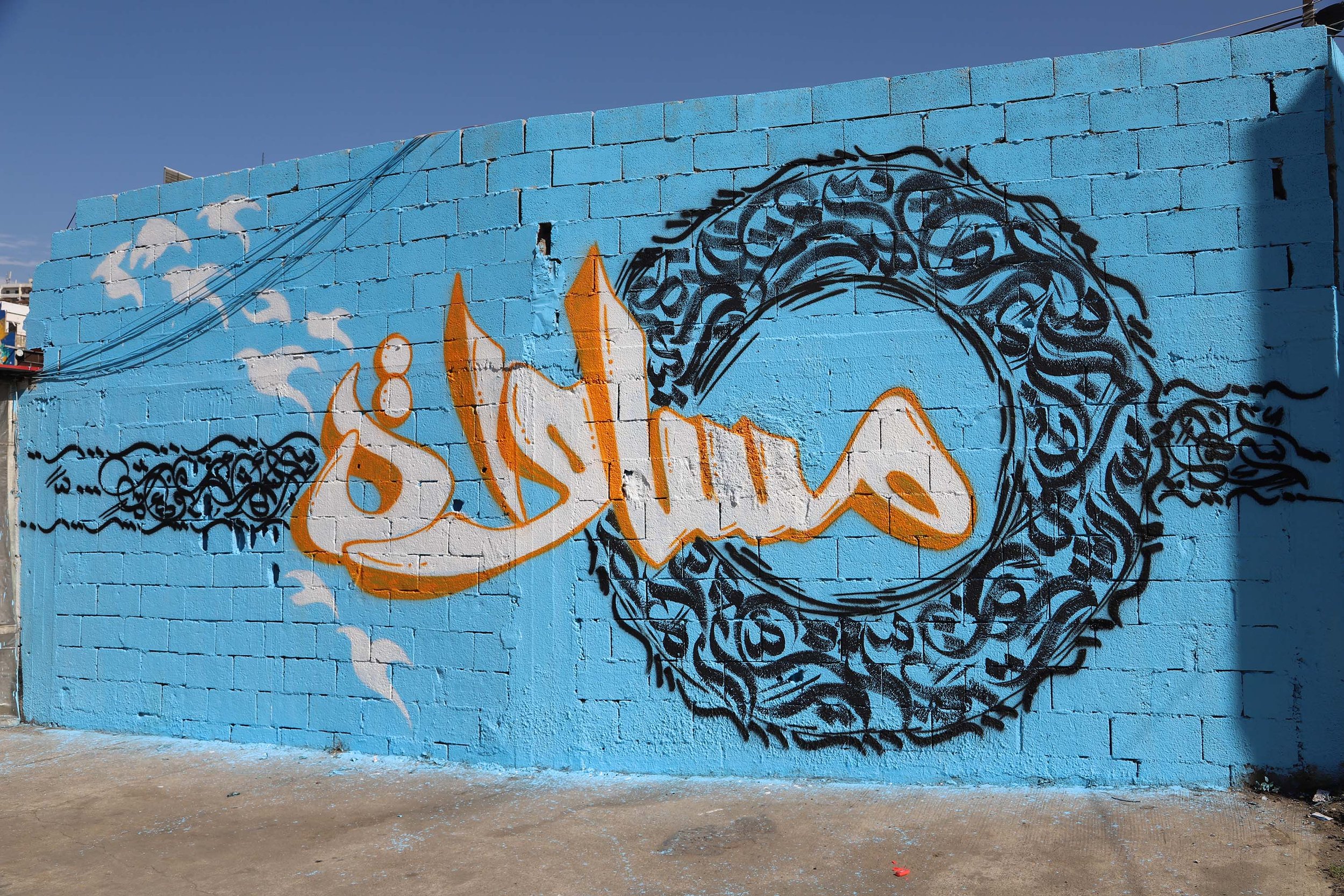
Music, painting, filmmaking, photography, theatre, weaving, storytelling and public art create opportunities for expression and interaction that conventional dialogue does not always provide.
We use creative practice to bring people together, explore identity and memory, communicate difficult experiences and preserve cultural knowledge.

Moving from voice to participation.
Civic education and democratic participation are important parts of our peacebuilding approach.
We provide training in debate, leadership, communication, mediation, governance and public participation, while creating opportunities for young people and communities to interact with municipalities, institutions and decision-makers.

Responding when communities are under pressure.
During periods of conflict, displacement and crisis, Peace of Art has supported locally led emergency responses alongside its longer-term peacebuilding programmes.
Activities have included community kitchens, emergency assistance, water and sanitation support, essential goods and services for displaced families and community-based responses for children and families.

Spaces where people can belong.
Our programmes seek to make participation more accessible for people who may experience social, economic or physical barriers.
Creative, recreational and psychosocial support activities can provide children and communities affected by violence or displacement with safer spaces for expression, connection and structured participation.
Skills for a changing world.
Learning programmes combine formal and informal education with practical skills that young people can use in civic, professional and creative life.
Areas include digital literacy, STEM, content creation, cybersecurity awareness, entrepreneurship, communication and creative technologies.

Expanding participation and leadership.
Peace of Art supports women's participation in community, political, economic and public life through leadership development, dialogue, advocacy and skills-building.
Programmes address barriers to participation while creating opportunities for women and young women to strengthen networks, confidence and public engagement.
From listening to action.
The methods change from one project to another, but several principles connect our work.
Understand community priorities, experiences, barriers and existing local knowledge.
Develop programmes with communities and partners rather than treating participants as passive recipients.
Bring together people, organizations and institutions who do not always have opportunities to interact.
Use arts, media, sport, education and dialogue as practical tools for participation.
Document experience, collect evidence and reflect on what can be improved.
Turn lessons into publications, partnerships, public dialogue and future programmes.

Rooted locally. Connected internationally.
Peace of Art works with civil society organizations, universities, public institutions, foundations, international organizations and specialist partners to exchange knowledge and develop programmes.
These collaborations connect locally rooted experience with wider conversations on peacebuilding, democracy, human rights, inclusion, education and cultural exchange.
Practice should create knowledge.
Peace of Art documents community perspectives, programme experience and learning through research, participatory approaches, reports, toolkits and training materials.
The purpose is not only to record what happened, but to make methods and lessons available to trainers, educators, organizations and practitioners.
Explore Publications & Training Materials →
Spaces matter. Belonging matters.
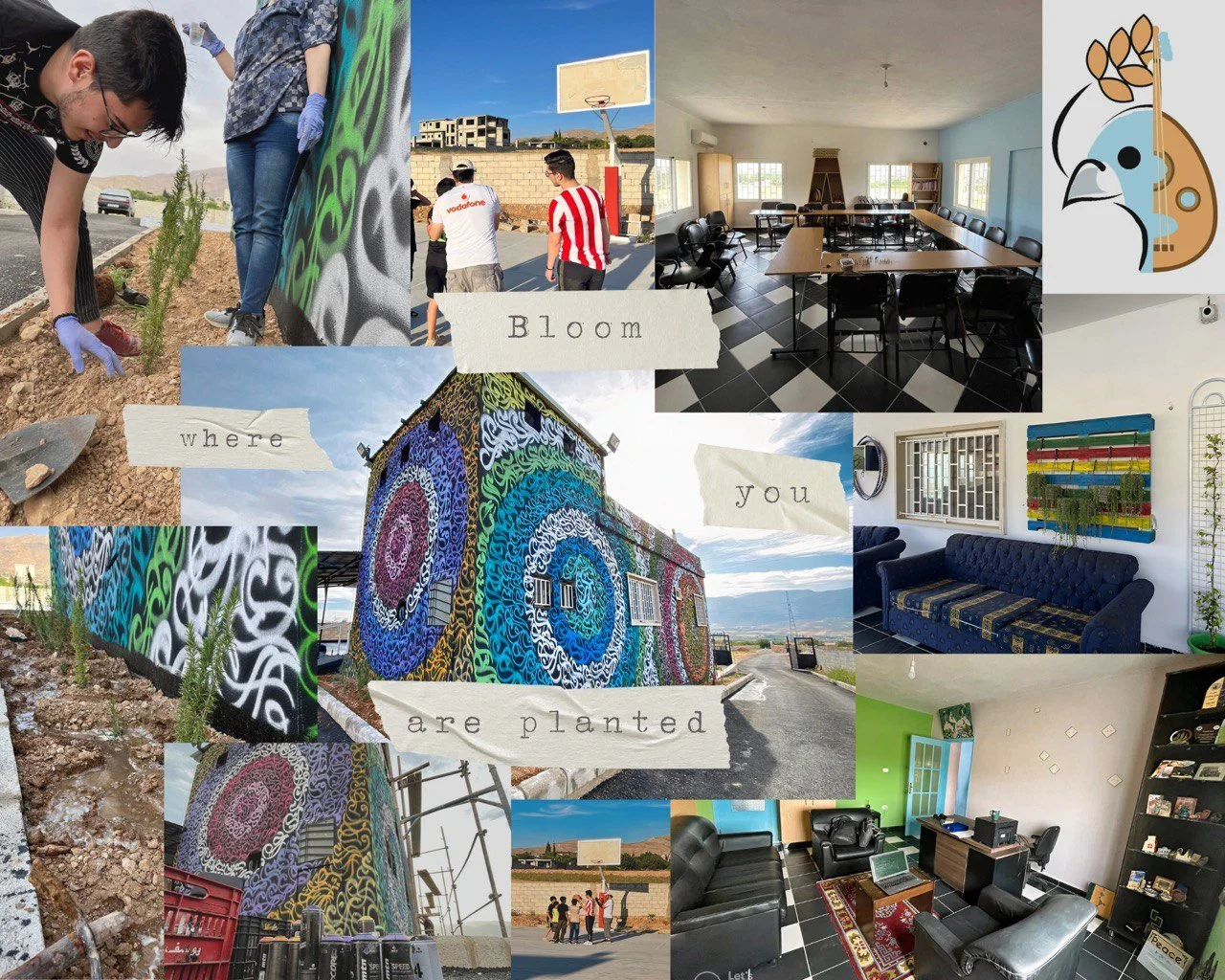
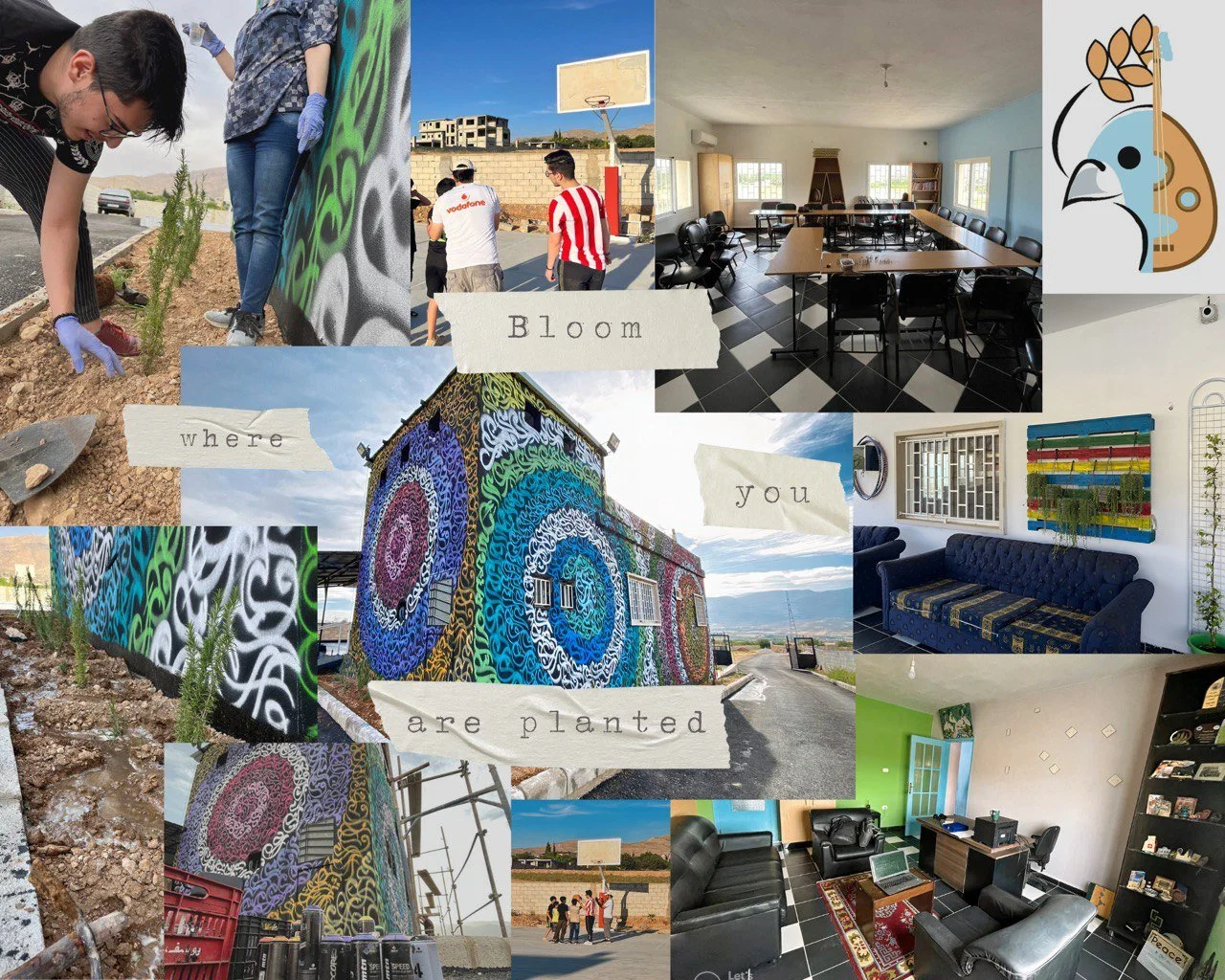
Community spaces can become places for workshops, dialogue, art, learning, meetings, sport and informal encounters — creating the conditions for people to remain connected beyond a single activity.
Discover Our Projects →We do not work for communities from a distance.
Our aim is to work with people, organizations and institutions as partners in building more inclusive, participatory and peaceful communities.
Discover the work behind the approach.
Explore structured programmes across our areas of work.
Explore → 02 Our ImpactDiscover the scale of ten years of Peace of Art's work.
Explore → 03 Activities 2016–2026Follow workshops, events and activities through the years.
Explore → 04 PublicationsAccess research, reports, handbooks and training resources.
Explore →Turn shared ideas into shared action.
Whether you are a community organization, institution, university, donor, practitioner or individual, there are different ways to work with Peace of Art.
Core Initiatives and Programs
Humanitarian Relief and Emergency Response
Peace of Art is committed to addressing the immediate needs of communities affected by conflict and displacement. Our emergency relief efforts include the establishment of kitchens for displaced populations, the provision of water and sanitation systems for schools and shelters, and the distribution of essential aid to families in crisis. These initiatives ensure that vulnerable communities have access to vital resources, promoting resilience and recovery during times of hardship.
Youth Empowerment through Arts, Media, and Sports
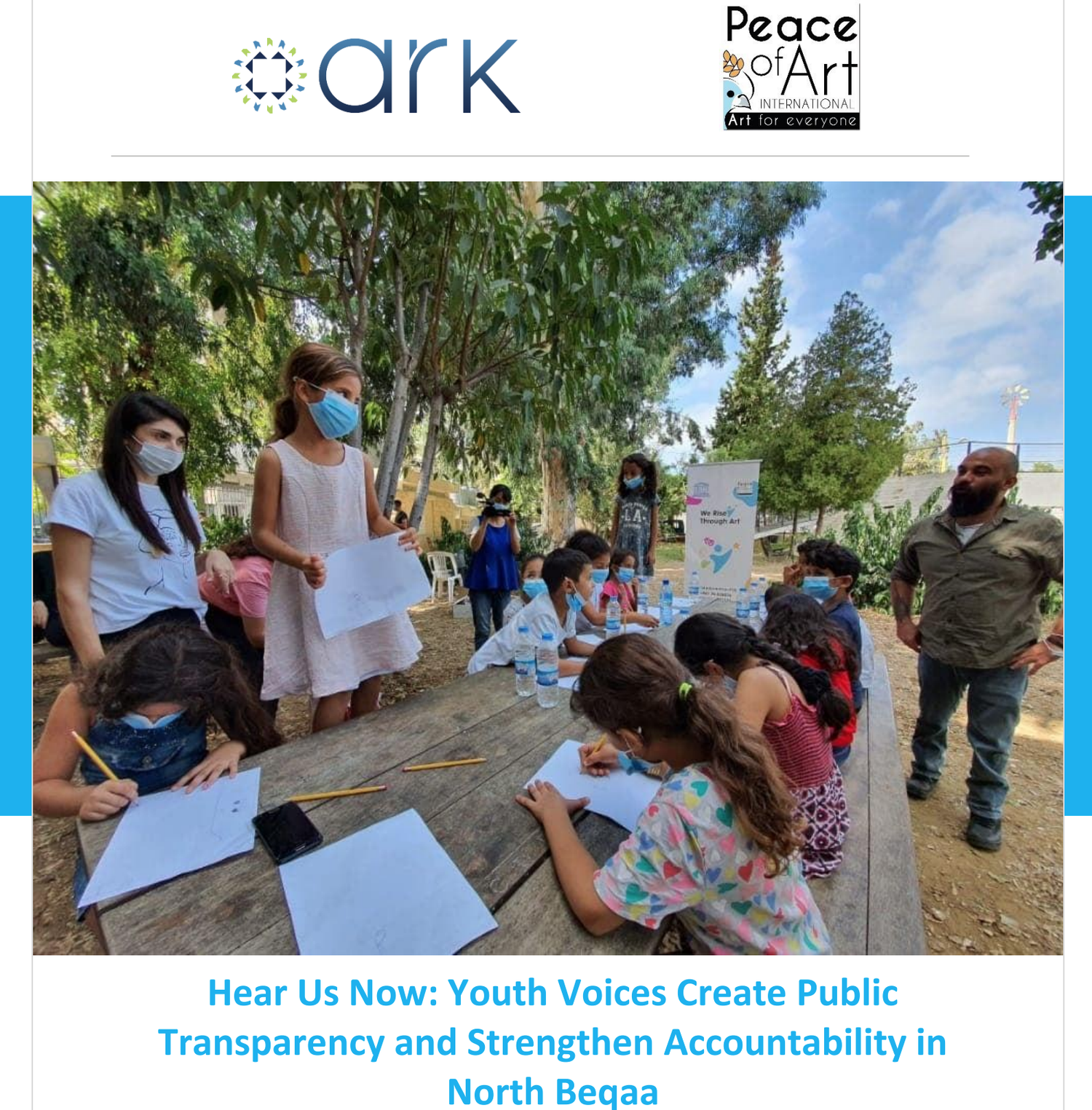
We firmly believe in the power of art, media, and sports as catalysts for positive change. Through our diverse youth empowerment programs, we provide young individuals with the tools and platforms to express themselves, build confidence, and become active contributors to their communities. Our programs include music, filmmaking, theater, documentary production, podcasts, and sports initiatives, all designed to foster self-expression, critical thinking, and leadership skills.
By leveraging these creative outlets, we enable youth to address pressing social issues, share their perspectives, and amplify their voices on critical matters such as peace, human rights, and social justice. These platforms also promote social cohesion by encouraging collaboration and understanding among young people from diverse backgrounds.

Community Outreach and Social Inclusion
Peace of Art works closely with marginalized and underprivileged groups to create opportunities for social inclusion and personal development. Through our outreach programs, we collaborate with local schools, community centers, and NGOs to deliver art workshops, sports training, and educational programs. These initiatives help participants build skills, gain self-confidence, and engage in constructive activities that foster a sense of belonging and empowerment.
Advocacy and Promoting Dialogue
Our advocacy efforts center around fostering dialogue and raising awareness on critical issues such as peacebuilding, conflict resolution, youth empowerment, women's rights, interreligious dialogue, and environmental sustainability. Peace of Art facilitates roundtable discussions, intercultural dialogues, and public forums to bring together diverse voices and perspectives. These forums serve as platforms for open dialogue, creating opportunities for collaboration and understanding among stakeholders from various sectors, including civil society organizations, municipalities, local authorities, and youth groups.
We also leverage media campaigns, documentaries, and podcasts to reach wider audiences and spark public conversation about pressing social issues. These platforms are essential in amplifying the voices of marginalized communities and advocating for change on a local, regional, and global scale.
Research, Publications, and Knowledge Sharing
In line with our mission to provide evidence-based solutions, Peace of Art conducts research on the issues facing the communities we serve. Our participatory action research informs the development of targeted programs and policies, ensuring that our interventions are both relevant and effective. We also produce publications and resources for civil society organizations, trainers, and youth leaders, providing them with insights, tools, and methodologies to drive social change in their respective communities.
Through our publications, we aim to promote best practices and innovative approaches to peacebuilding, community development, and youth empowerment.
Partnerships and Global Networks
Peace of Art is a proud member of prominent global networks, including the United Network of Young Peacebuilders, the Alliance for Peacebuilding, and the MENA Coalition for Youth, Peace, and Security (YPS). These partnerships enable us to exchange knowledge, share best practices, and collaborate on initiatives that promote peace, justice, and youth empowerment.
In addition to these strategic alliances, we also collaborate with prestigious universities and academic institutions locally and globally. These partnerships foster innovative research, educational exchanges, and capacity-building programs, which enhance our efforts in conflict resolution, peacebuilding, and social justice. Through these collaborations, we engage in academic dialogue, share knowledge on youth development, human rights, and governance, and contribute to shaping future leaders in the fields of peace and community development.
Furthermore, we are actively involved in bringing technology and cybersecurity training to our participants and team. In collaboration with technology institutes and industry experts, Peace of Art offers training programs that equip youth and community members with the essential skills needed to navigate the digital world securely and responsibly. These initiatives cover topics such as digital literacy, cybersecurity practices, safe online behaviors, and data protection, ensuring that our participants are prepared to engage in the digital space while protecting their rights and privacy.
Additionally, Peace of Art works closely with national and international partners, including the National Working Group on Freedom of Religion and Belief in Lebanon and the Women, Peace, and Security (WPS) network. Together, we advance the rights of women, youth, and marginalized groups, amplifying our collective impact and broadening our reach to create more inclusive, equitable societies.

Civic Engagement and Capacity Building

Peace of Art provides civic training to equip youth and community leaders with the skills to actively participate in democratic processes and contribute to community development. Our civic education programs focus on topics such as leadership, conflict mediation, electoral participation, and good governance, empowering individuals to become informed, active citizens who are committed to positive change.
Additionally, we offer soft skills training, focusing on areas such as communication, problem-solving, teamwork, and emotional intelligence, which are critical for personal and professional growth.
Arts, Media, and Content Creation Training
Arts, Media, and Content Creation Training
Arts, Media, and Content Creation Training
To support young people in pursuing careers in the creative industries and in advocating for social change, we offer comprehensive training programs in filmmaking, audio production, theater, fine arts, editing and design, content creation, and storytelling. These programs equip youth with the necessary skills to produce high-quality work that can influence public opinion and advocate for social justice.
Art Therapy and Healing
Art can be a powerful tool for healing, particularly for individuals who have experienced trauma. Peace of Art offers art therapy programs that provide psychosocial support for individuals affected by conflict, violence, and other forms of hardship. Through creative expression, participants can explore their emotions, find catharsis, and begin the process of healing and recovery. These programs are designed to help individuals regain their sense of agency, rebuild their emotional resilience, and reintegrate into their communities with renewed strength.

Our Commitment to Lasting Change
At Peace of Art, we are dedicated to creating lasting change by addressing the root causes of conflict, promoting social justice, and fostering inclusive development. Our work extends beyond immediate relief, focusing on long-term recovery, resilience, and empowerment. Through our comprehensive approach—combining humanitarian relief, youth empowerment, civic engagement, and artistic expression—we are building the foundation for a more peaceful, just, and equitable future.
Peace of Art remains committed to its core values of inclusion, tolerance, and social equity, working in partnership with local communities, international organizations, and stakeholders to achieve sustainable peace and development.
