
Youth Dialogue
for Democratic
Resilience.
Preventing community polarization and strengthening peaceful coexistence in Northern Bekaa.
Bringing young people from host communities and displaced Lebanese and Syrian families together through structured dialogue, conflict-resolution training and democratic participation.
Supported by the European Endowment for Democracy, this initiative aims to build a local network of trained youth facilitators capable of continuing dialogue beyond the grant period.
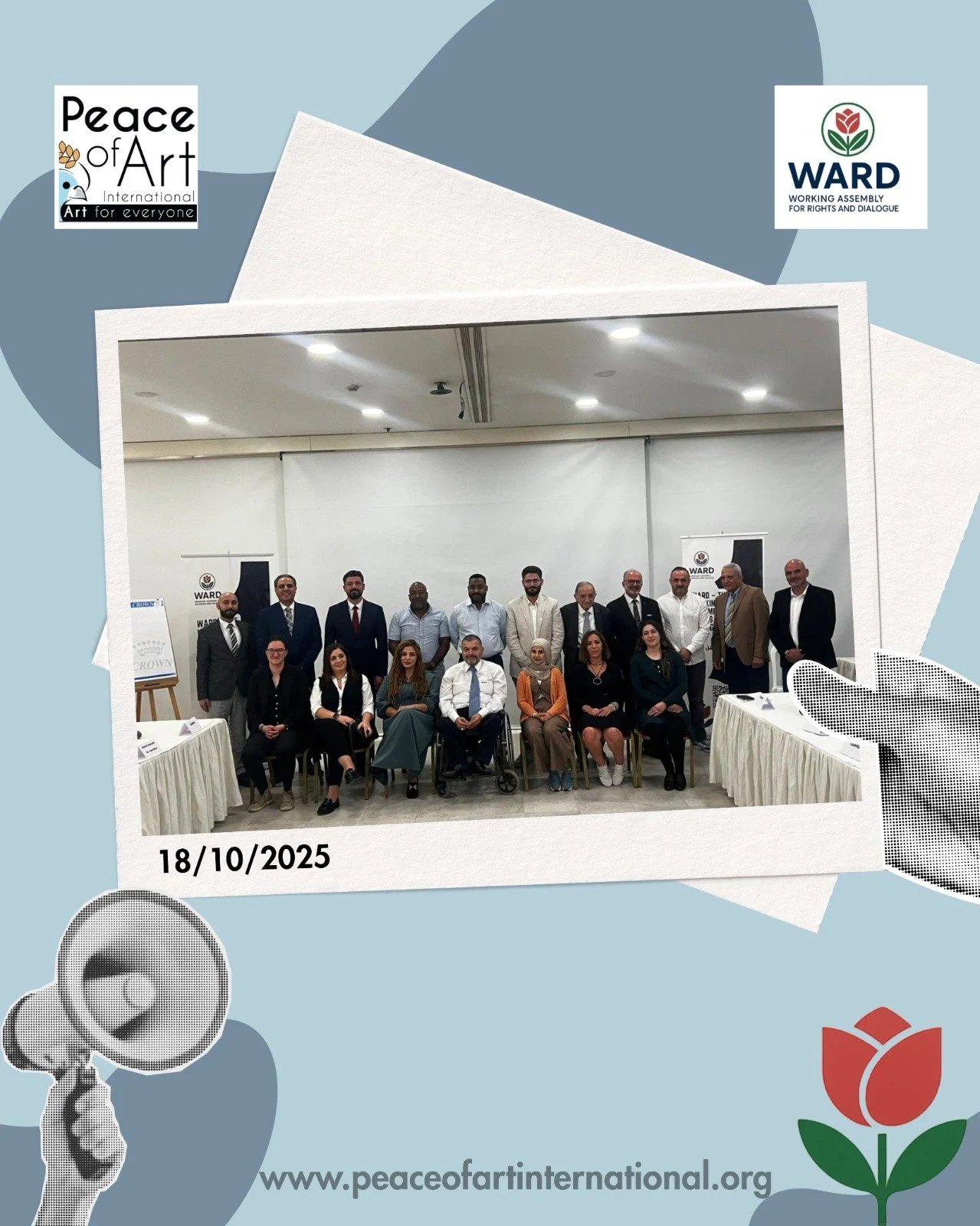
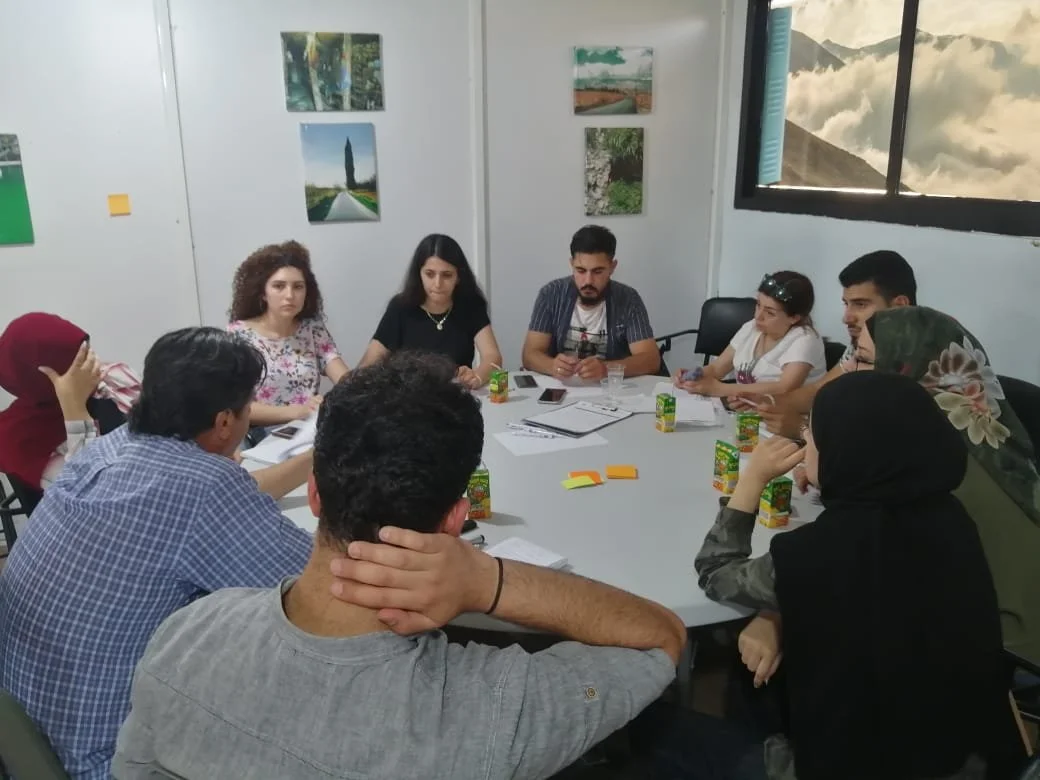
Illustrative photograph from Peace of Art's related WARD peacebuilding work; not a documented activity of this EED-funded project.
All figures are planned project targets, not reported achievements as of November 2026.
Creating spaces where differences do not become divisions.
Northern Bekaa is home to communities facing social, economic and political pressures, including tensions affecting host populations and displaced Lebanese and Syrian families.
Youth Dialogue for Democratic Resilience addresses the risk of polarization by creating structured opportunities for people to meet, listen and work through differences constructively.
The initiative combines facilitated dialogue, mediation training, civic participation and youth-led community action. It is designed not only to convene conversations but to strengthen local capacity to manage tensions peacefully over time.
A central sustainability mechanism is a network of trained local dialogue facilitators who can continue supporting community engagement after the funded implementation period.
Building trust before tensions escalate.
Sustainable peace requires more than avoiding conflict. It requires the ability to address disagreements, reduce prejudice and create meaningful channels for participation.
Community Polarization
Address perceptions, stereotypes and tensions that can weaken relationships between communities.
Limited Dialogue
Create safe, facilitated spaces where young people can communicate across social differences.
Conflict-Resolution Skills
Strengthen young people's ability to listen, mediate disagreements and respond nonviolently.
Democratic Participation
Encourage inclusive civic participation, constructive debate and shared responsibility.
Discrimination
Challenge discriminatory attitudes through awareness, learning and positive interaction.
Local Sustainability
Develop facilitators who can continue dialogue and trust-building after the grant ends.
From dialogue to lasting local capacity.
The programme aims to reduce intercommunal tension through structured dialogue and practical conflict- resolution education.
Young participants are expected to strengthen mediation, communication and civic participation skills, while developing relationships across community boundaries.
Community awareness activities will address discrimination and polarization, with trained facilitators supporting the continuation of dialogue activities.
Four Core Objectives
1. Reduce intercommunal tensions through structured dialogue.
2. Build youth capacity in mediation and civic participation.
3. Shift community norms around discrimination and polarization.
4. Establish a sustainable network of local dialogue facilitators.
Dialogue. Learning. Community action.
The implementation model combines direct youth training, facilitated dialogue, public awareness and practical cross-community initiatives.
Training Workshops
Conflict resolution, mediation, democratic dialogue and civic participation.
Dialogue & Peace Circles
Facilitated conversations connecting young people across community backgrounds.
Community Awareness Sessions
Activities addressing polarization, discrimination and peaceful coexistence.
Youth-Led Initiatives
Practical community actions designed and led by young participants.
Local Facilitators
Young people trained to support dialogue and mediation beyond the project.
Community Locations
Planned awareness outreach across four locations, including displaced communities.
Implementation status: These activities are described in the approved project framework. This page does not claim that all workshops, circles or initiatives have already taken place.
Peacebuilding through participation.
The programme places young people at the centre of the dialogue process.
Participants engage in structured learning and facilitated discussions that encourage active listening, respect, critical reflection and nonviolent responses to disagreement.
Community initiatives then provide opportunities to apply these skills beyond the training room.
The facilitator network is intended to provide a mechanism for continued engagement after the funded activities conclude.
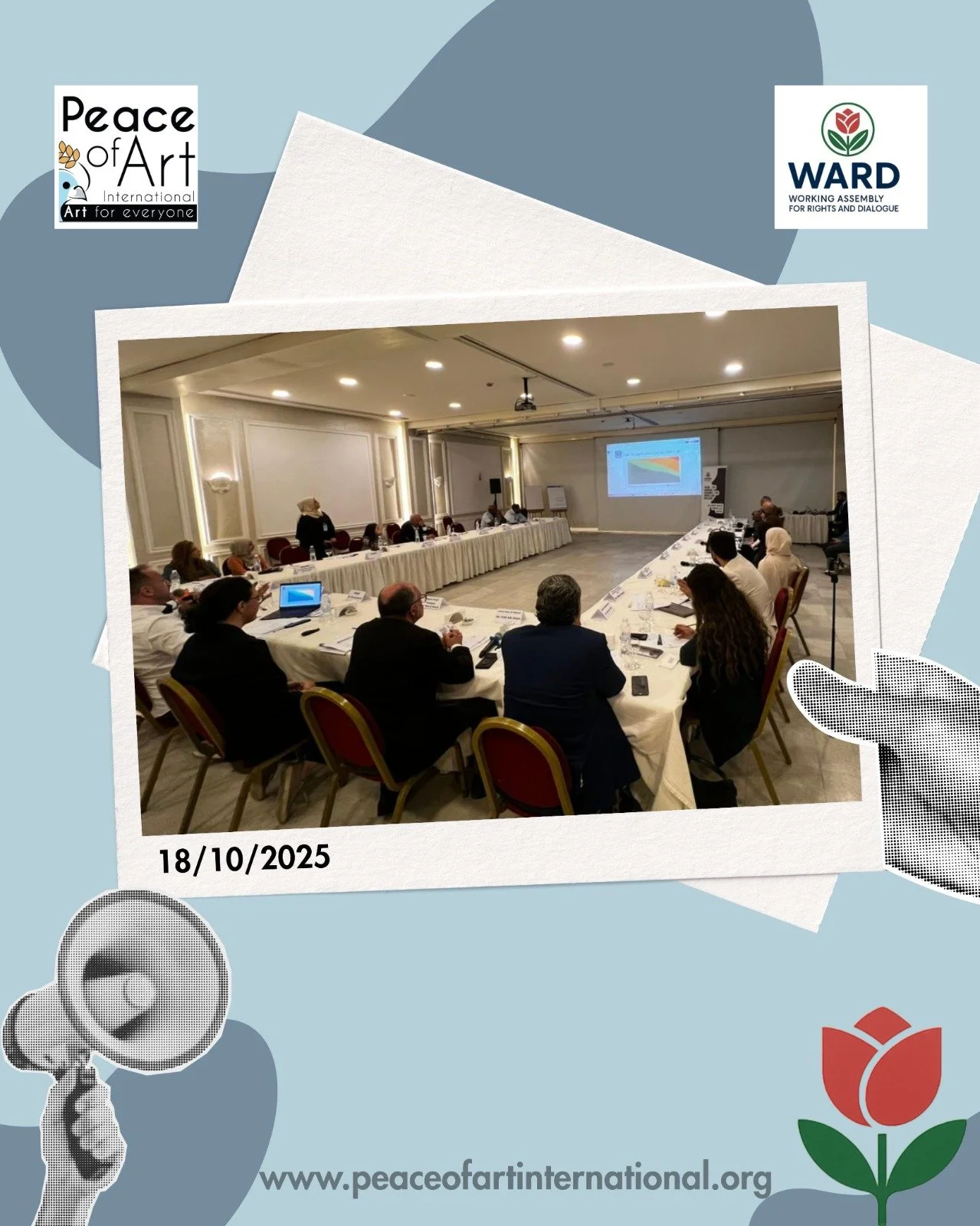
Related Peace of Art peacebuilding activity. Illustrative image, not evidence of EED project implementation.
Dialogue begins when people meet.
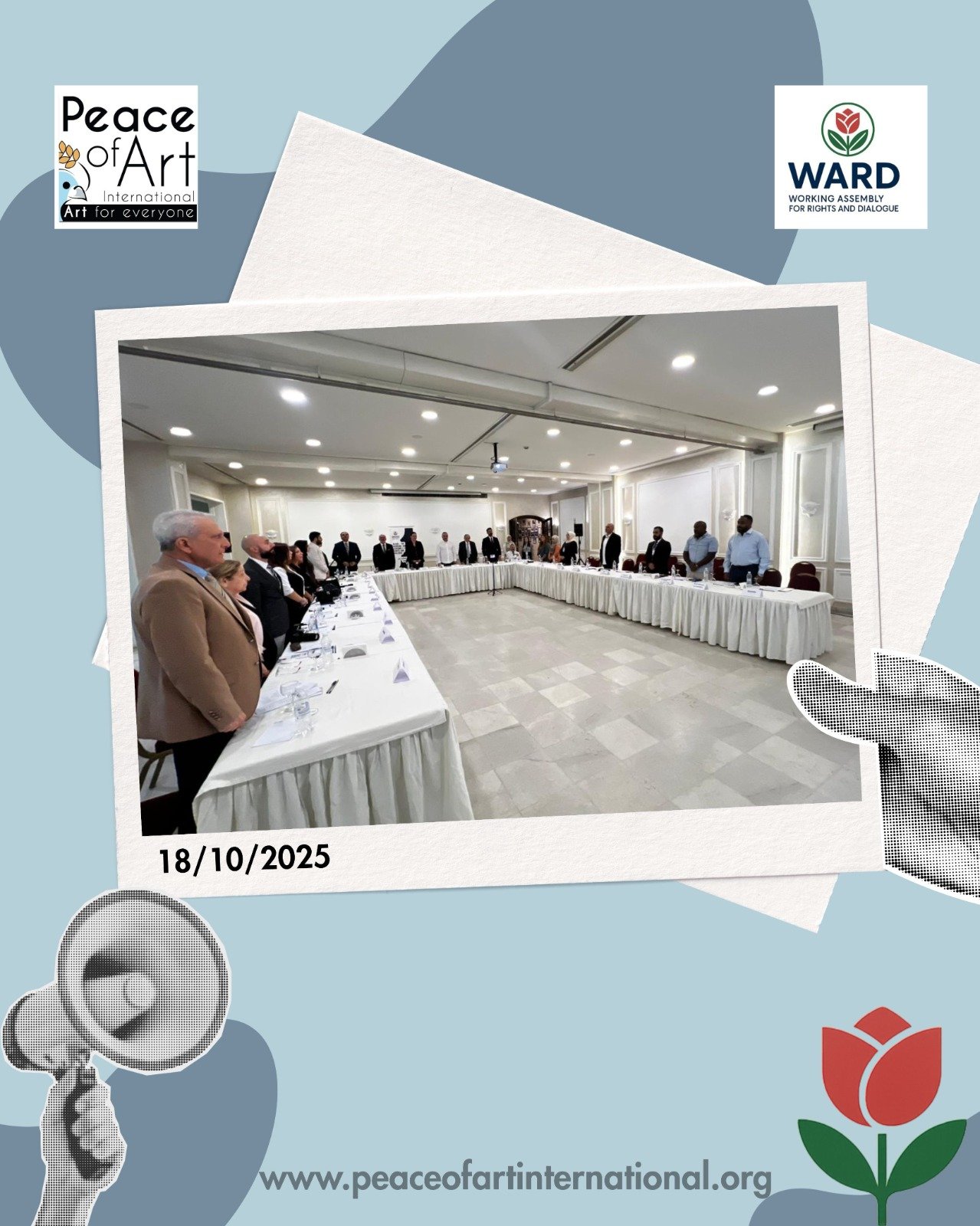
The photographs below illustrate Peace of Art's wider experience convening community dialogue and peacebuilding initiatives.
Measuring progress beyond attendance.
The project includes a results framework intended to measure training completion, conflict-resolution skills, community awareness and sustainability.
Dialogue & Trust-Building
Target of at least 60 of 80 youth completing the structured training cycle, representing 75% participation completion. Baseline and post-intervention assessments are planned to measure change.
Conflict-Resolution Capacity
A 60% threshold for demonstrated skills improvement, alongside a network of at least 12 trained local facilitators.
Facilitator Sustainability
At least eight of the trained facilitators are expected to remain independently active beyond the grant period.
Community Awareness
Reach more than 100 residents across four locations, including displaced communities, and document changes in perceived polarization risk.
Community Leadership
Secure active support from at least three community leaders to reinforce local dialogue and peacebuilding activities.
Monitoring and evaluation: These are intended results and measurement thresholds. Verified outcomes should be published after the corresponding assessments and implementation reports are available.
Building a network that can continue the conversation.
The programme is designed to move beyond one-time workshops and dialogue events.
A network of at least 12 local facilitators is expected to develop the practical ability to support dialogue, mediation and community engagement.
The project aims for at least eight facilitators to remain independently active after the grant period.
Local Dialogue Facilitator Network
The network is intended to help communities sustain constructive dialogue and conflict-prevention activities beyond the project's formal duration.
Continued activity will depend on facilitator engagement, local relationships and available community support.
Supported by the European Endowment for Democracy.
Youth Dialogue for Democratic Resilience is directly implemented by Peace of Art Lebanon with funding from the European Endowment for Democracy.
The programme focuses on nonviolent dialogue, democratic participation, community resilience and local peacebuilding capacity.
Total Project Budget
€59,900
Planned project period: May 2026 – May 2027.
Implementing organisation: Peace of Art Lebanon.
This is the total project budget stated in the source document, not a statement of expenditure to date.
Understanding our wider peacebuilding work.
Explore Peace of Art's experience in youth dialogue, civic participation and conflict prevention.
Peace of Art: Harmony Beyond Differences
A story about Peace of Art's youth peacebuilding approach in Lebanon, published in 2026.
WARD — Working Assembly for Rights and Dialogue
Peace of Art's wider civil society dialogue and cooperation initiative.
Peace of Art Activities 2026
Activity archive covering Peace of Art programmes and community engagement during 2026.
Peace of Art Photo Gallery
Photographs from our programmes across peacebuilding, education and community development.
Our Projects
Explore the wider Peace of Art International project portfolio.
Stronger communities begin with the ability to listen.
Youth Dialogue for Democratic Resilience reflects Peace of Art's commitment to community-led peacebuilding and youth participation.
The initiative seeks to strengthen the everyday skills and relationships that allow communities to manage disagreement without violence.
Its intended legacy is a network of local facilitators, stronger cross-community relationships and greater capacity for democratic dialogue.
As implementation progresses, Peace of Art can document training completion, youth-led initiatives, facilitator activity and changes in participants' conflict-resolution skills.
Reporting commitment: Project targets will be updated with verified achievements as evidence becomes available.
Dialogue does not erase differences. It creates the trust, skills and relationships needed to live with them peacefully.