
Weaving
Resilience.
Reviving Al-Fakiha's carpet-making heritage through traditional craft and participatory visual storytelling.
A cultural empowerment initiative bringing women artisans and young photographers together to preserve local heritage, share community narratives and explore creative livelihood opportunities.
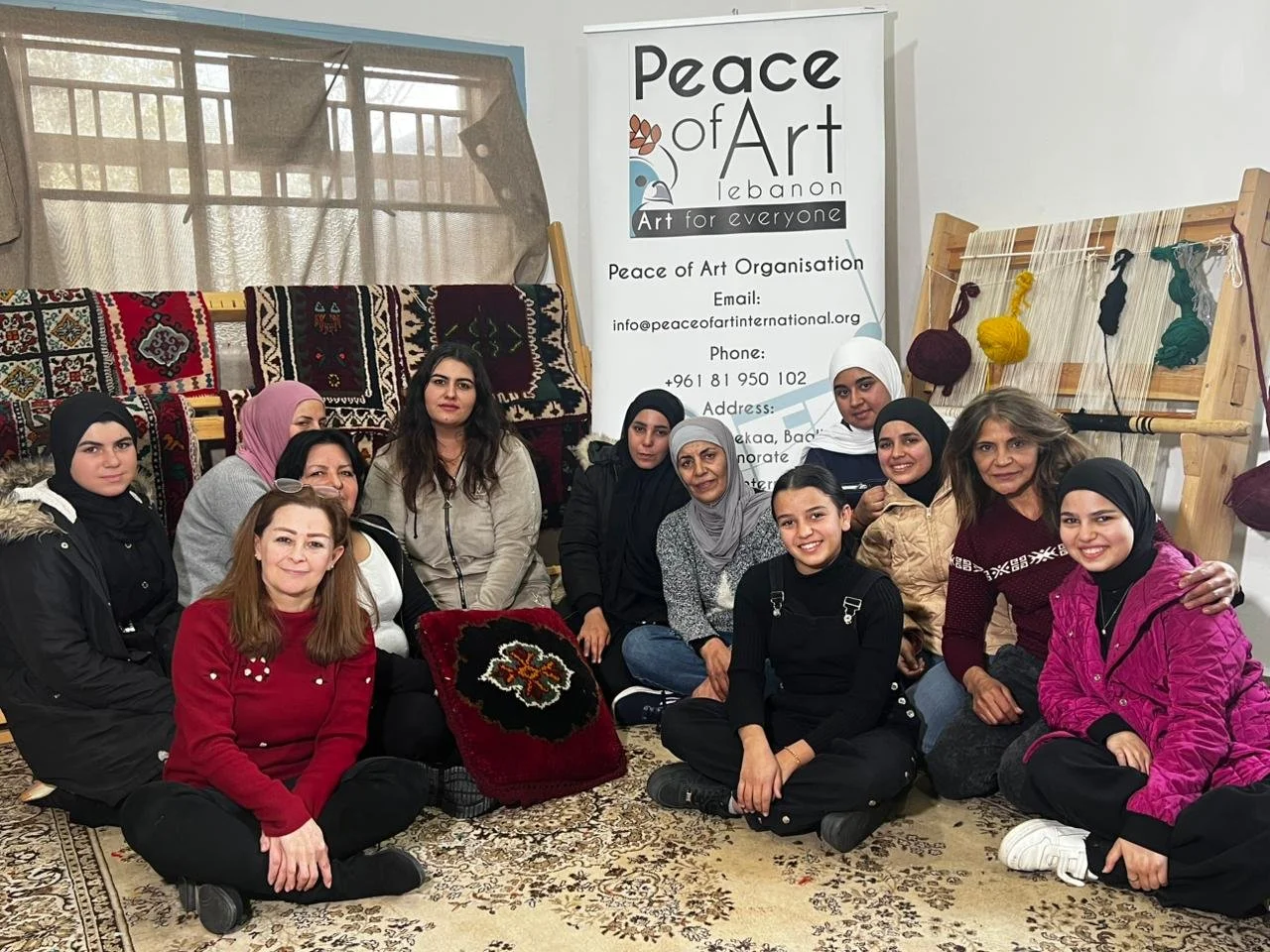
Weaving Resilience · Traditional carpet-making and heritage learning · Peace of Art Lebanon.
Preserving heritage through hands and images.
Weaving Resilience is a cultural heritage and community empowerment initiative implemented by Peace of Art Lebanon with support from UNESCO.
Based in Al-Fakiha in Northern Bekaa, the project brings together two complementary forms of creative expression: traditional carpet weaving and participatory photography.
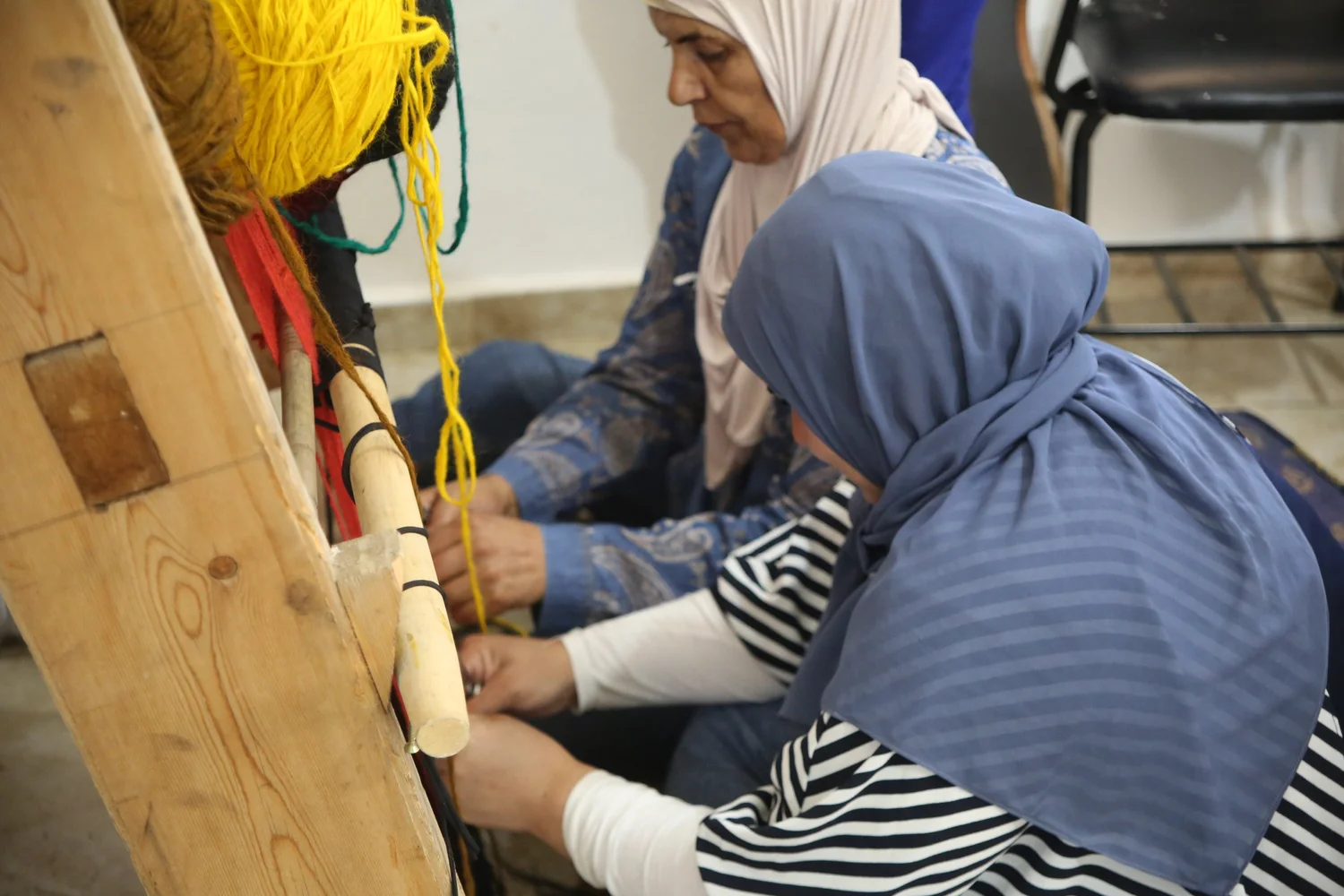
Women artisans participate in structured carpet-making training, learning techniques, patterns and production methods connected to the region's cultural identity.
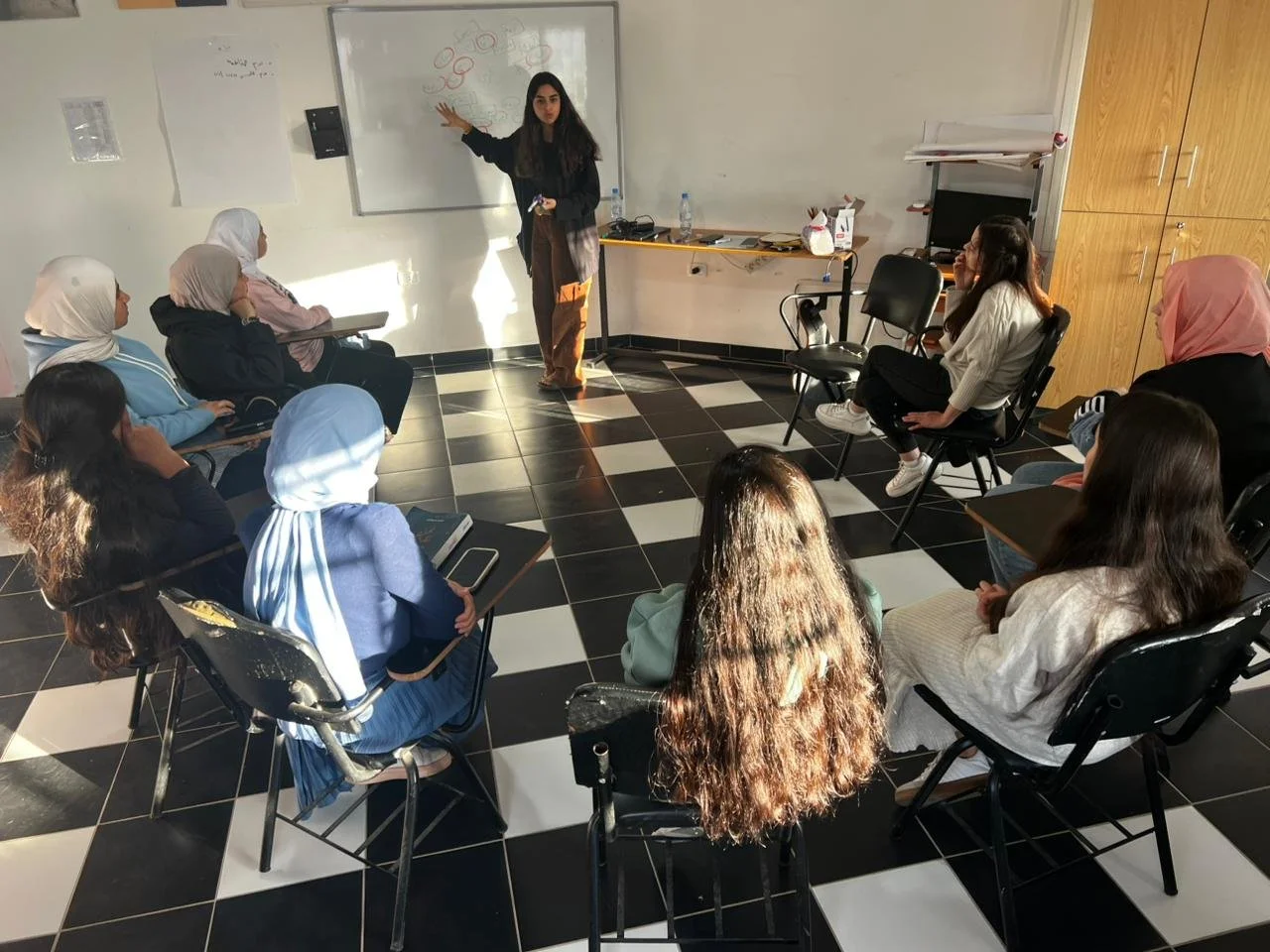
In parallel, young participants use Photovoice to document aspects of their community, reflect on lived experiences and communicate narratives through photography.
Together, these activities connect heritage preservation, intergenerational knowledge, creative participation and potential economic opportunities.
Project approach: Traditional craftsmanship preserves inherited knowledge, while Photovoice gives participants tools to document and interpret their community from their own perspectives.
Protecting cultural knowledge while creating new opportunities.
The initiative connects cultural heritage with women's participation, youth expression and community-based learning.
Heritage Preservation
Revive and transmit traditional carpet-making techniques, symbols and patterns associated with Al-Fakiha.
Women's Economic Participation
Support women in developing practical production skills and exploring small-scale creative livelihood opportunities.
Youth Storytelling
Build young people's capacity to document, reflect on and communicate their community experiences.
Intergenerational Exchange
Connect traditional knowledge with new creative practices and opportunities for shared learning.
Public Cultural Participation
Create spaces where carpets, photographs and community narratives can reach wider audiences.
Community Resilience
Strengthen cultural identity, belonging and creative participation through locally rooted activities.
Two creative pathways. One shared heritage.
Carpet-Making Training
Women learn the history, symbolism and techniques of traditional carpet weaving.
Sessions emphasize hands-on practice and small-format production, allowing participants to develop tangible skills while preserving local craftsmanship.
Training structure: Eight sessions for 15 women participants.
Photovoice Training
Young participants explore photography as a method of reflection, dialogue and community documentation.
The training uses the SHOWED reflection framework and a five-senses approach to help participants observe and communicate meaningful aspects of their surroundings.
Training structure: Eight sessions for 15 young participants.
From inherited techniques to shared public stories.
Weaving Resilience builds on Al-Fakiha's traditional carpet-making heritage, combining practical production with participatory photography.
Through parallel training, participants learn different but complementary ways of preserving and communicating local cultural knowledge.
The project documentation also describes a shared public exhibition bringing carpets and photographic narratives together.
Photovoice Workshop Launch
Young participants begin visual storytelling and community reflection activities.
Carpet-Making Workshop Launch
Women begin structured hands-on training in traditional carpet weaving.
Practical Creative Learning
Participants explore weaving techniques, photographic storytelling and local cultural narratives.
Ain Winter Souk
Traditional Al-Fakiha carpets are presented within a wider community market for local artisans and producers.
Project Documentation
The supplied project record describes a public exhibition in Baalbek combining handmade carpets and photographic narratives.
The people and practices behind the project.
Original Peace of Art photography documenting the UNESCO-supported Weaving Resilience programme and its closely related carpet-weaving heritage work.
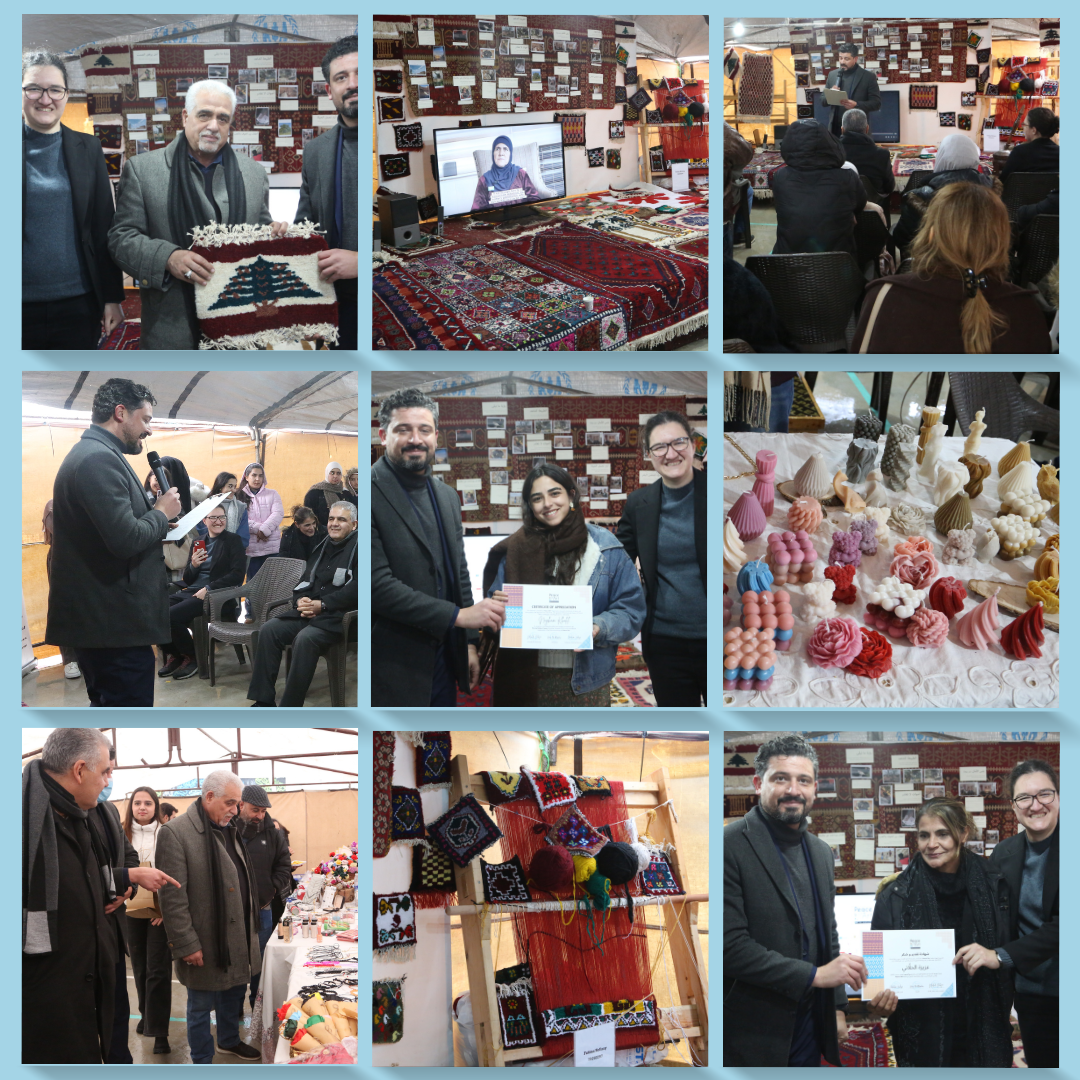
Craft skills, visual narratives and community participation.
The project document reports the following participation and production figures.
Reporting transparency: The project document's outcome framework sets targets including at least six carpets, a public exhibition and intergenerational knowledge exchange. These targets are not automatically evidence of independently verified long-term economic or social outcomes.
Carpets' Weaving Documentary.
Peace of Art's original documentary explores the carpet-weaving heritage and craftsmanship associated with Weaving Resilience.
Published in the organisation's video library in January 2026, the film offers visitors an opportunity to engage with the cultural context beyond the written project description.
Keeping a traditional craft alive.
Traditional carpet weaving carries cultural meaning through its patterns, materials, techniques and intergenerational transmission.
By creating structured learning opportunities for women, the programme helps preserve practical knowledge that might otherwise become less accessible to younger generations.
The project also explores the potential of small-scale carpet production to contribute to women's economic participation.
Public events such as the Ain Winter Souk provide opportunities for handmade products to be seen by community members and potential buyers.
Economic impact: Training and product presentation create livelihood opportunities, but the available documentation does not establish verified long-term income growth.
Local heritage supported through international partnership.
UNESCO
UNESCO supported Weaving Resilience, connecting heritage preservation with cultural participation, women's skills and community storytelling.
Peace of Art Lebanon
Peace of Art implemented the training activities, supported local participation and documented cultural heritage through weaving and Photovoice.
Explore the project and its wider context.
Weaving Resilience Documentary
Original carpet-weaving documentary published by Peace of Art.
Peace of Art Activities 2025
Documentation of the Photovoice launch, UNESCO carpet workshops and Ain Winter Souk.
Peace of Art Activities 2026
Follow-up documentation including the UNESCO team visit and the wider heritage programme.
Related Project: Weaving Stories of Lebanon
An earlier carpet-weaving initiative implemented with Perspectivity, supporting traditional craft learning.
Peace of Art Photo Gallery
Photographs documenting heritage, training, cultural participation and community activities.
Cultural resilience across generations.
Weaving Resilience connects traditional knowledge with contemporary forms of creative expression.
Women artisans preserve craftsmanship through practical production, while young people document community experiences through photography.
The combination creates opportunities for cultural exchange, local visibility and community participation.
The initiative contributes to Peace of Art's wider experience of using arts-based methods to strengthen inclusion, cultural identity and community resilience.
Knowledge legacy: Traditional craft skills, photographic narratives and documentary materials can remain valuable resources beyond the formal training period.
Every thread carries a memory. Every photograph tells a story. Together, they help communities preserve their heritage and imagine their future.