
We Play
for Peace.
Building peace through movement, teamwork, yoga and youth leadership.
A six-month peacebuilding initiative bringing Lebanese and Syrian young people together through volleyball, yoga, basketball, football and facilitated learning activities.
Supported by the United Nations Alliance of Civilizations, the project demonstrated how sports can become a practical setting for communication, cooperation and peaceful interaction.
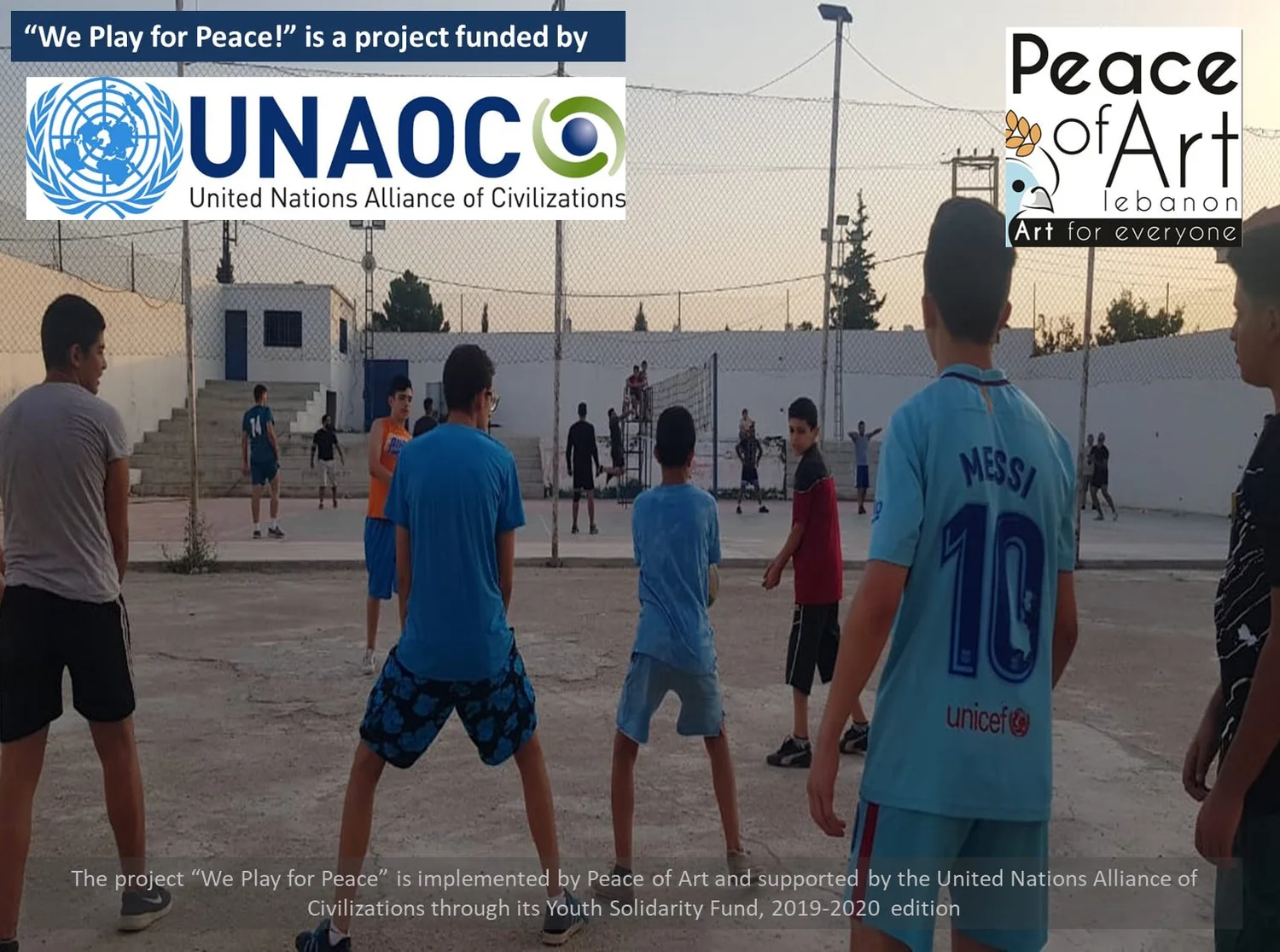
Original We Play for Peace project photograph, documented in Peace of Art's 2020 archive. Supported by UNAOC.
Sport as a shared language across community divisions.
We Play for Peace was implemented by Peace of Art Lebanon in Northern Bekaa with support from the United Nations Alliance of Civilizations through its Youth Solidarity Fund.
The initiative brought together young people from Lebanese and Syrian communities, including participants from different religious and social backgrounds.
The project used sports not simply as recreational activities, but as opportunities to practise cooperation, mutual respect, communication and peaceful conflict resolution.
Community coaches received peacebuilding and facilitation training and applied these methods in youth activities.
Volleyball and yoga were central to the documented training methodology, while the wider project record also identifies basketball and football.
Our approach: Sport creates the opportunity for interaction. Guided reflection and skilled facilitation help turn that interaction into learning about peace.
More than a game. A practical opportunity for dialogue.
Sports can bring people together around shared rules, common goals and collective experiences, even when their social backgrounds differ.
Communication
Young people practise listening, expressing themselves and coordinating with others.
Cooperation
Team activities encourage participants to work toward shared goals and recognize the contributions of others.
Conflict Resolution
Disagreements during games can become opportunities to practise constructive responses to conflict.
Self-Awareness
Movement and reflective exercises help participants recognize emotions, reactions and personal boundaries.
Inclusion
Facilitated activities create opportunities for young people from different backgrounds to participate together.
Youth Leadership
Peer coaches model responsibility, fairness and constructive group facilitation.
Four activities. Shared peacebuilding values.
The programme used different forms of movement and sport to introduce teamwork, reflection, communication and social interaction.
Volleyball
Volleyball provided a structured setting in which participants needed to communicate, coordinate movements, respect rules and depend on teammates.
Coaches could connect experiences from the game with questions of trust, cooperation, fairness and peaceful conflict management.
Yoga & Mindful Movement
Yoga introduced a different form of learning through movement, breathing, attention and reflection.
Within the project, yoga-based exercises supported discussions about self-awareness, emotional regulation, patience and respect for personal differences.
Basketball
Basketball created opportunities for shared decision-making, communication and coordination under changing conditions.
The activity connected competition with fair play, cooperation and responsibility toward teammates.
Football
Football offered a familiar and accessible activity for young people to participate in shared team experiences.
Guided group activities could use football to explore leadership, inclusion, fair play and constructive responses to disagreement.
Methodological distinction: The published We Play for Peace Toolkit focuses specifically on yoga and volleyball. Basketball and football are also identified in Peace of Art's wider project documentation.
From sports coaching to peer peacebuilding.
We Play for Peace adopted a community-coach approach. Rather than relying only on external facilitators, the project developed local coaching capacity.
Coaches were introduced to communication, conflict resolution and peer facilitation methods that could be integrated into sports activities.
This approach connected practical experiences during games with guided discussion about relationships, respect and cooperation.
Coach Preparation
Introducing community coaches to facilitation, communication and conflict-resolution skills.
Sports Participation
Engaging young people through volleyball, yoga and other team activities.
Peacebuilding Reflection
Discussing cooperation, disagreements, acceptance and communication through practical examples.
Peer Learning
Encouraging coaches and young participants to apply learning within their groups.
Toolkit Publication
Documenting activities and facilitation methods in a practical handbook published in December 2020.
Sport, teamwork and community wellbeing in practice.
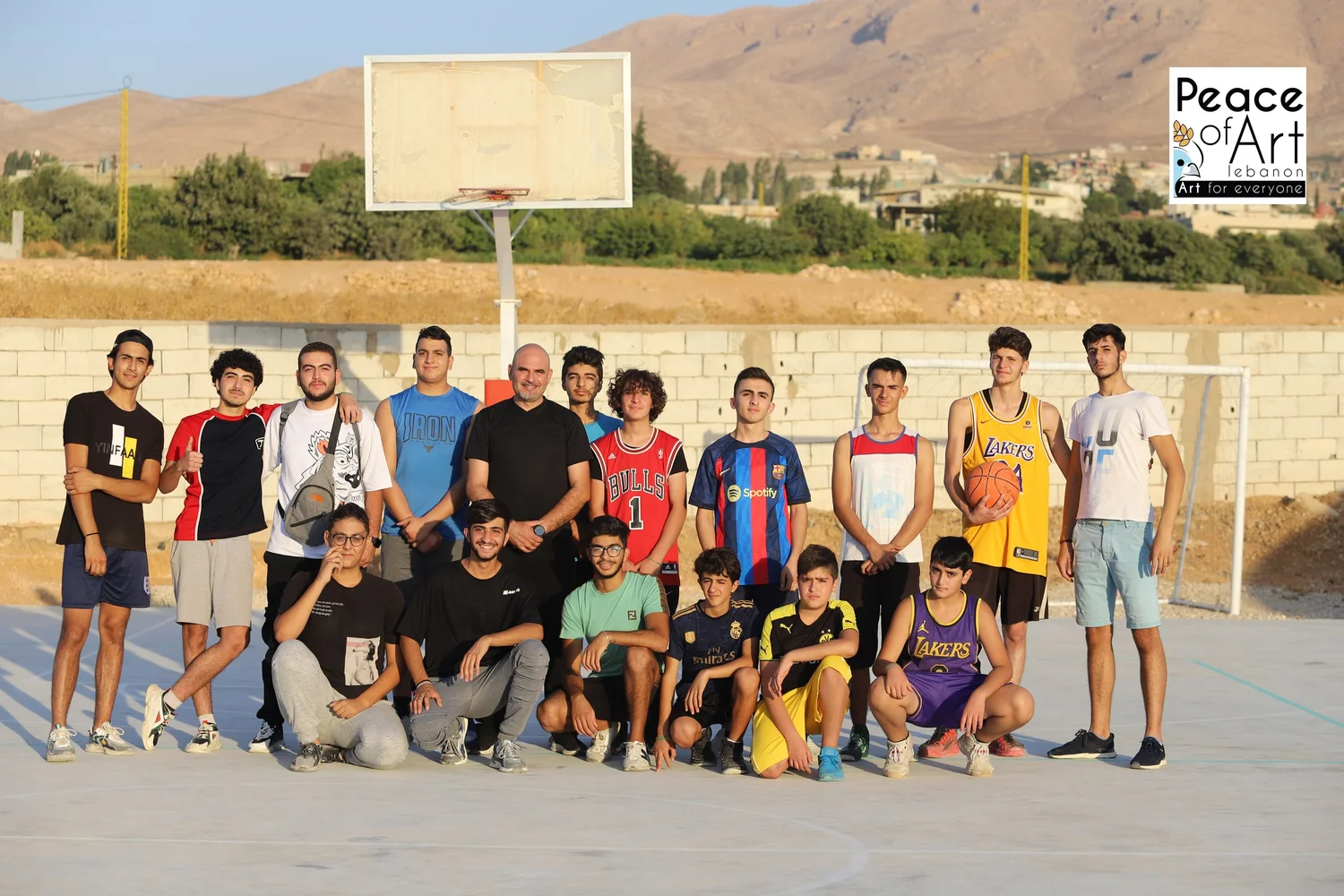
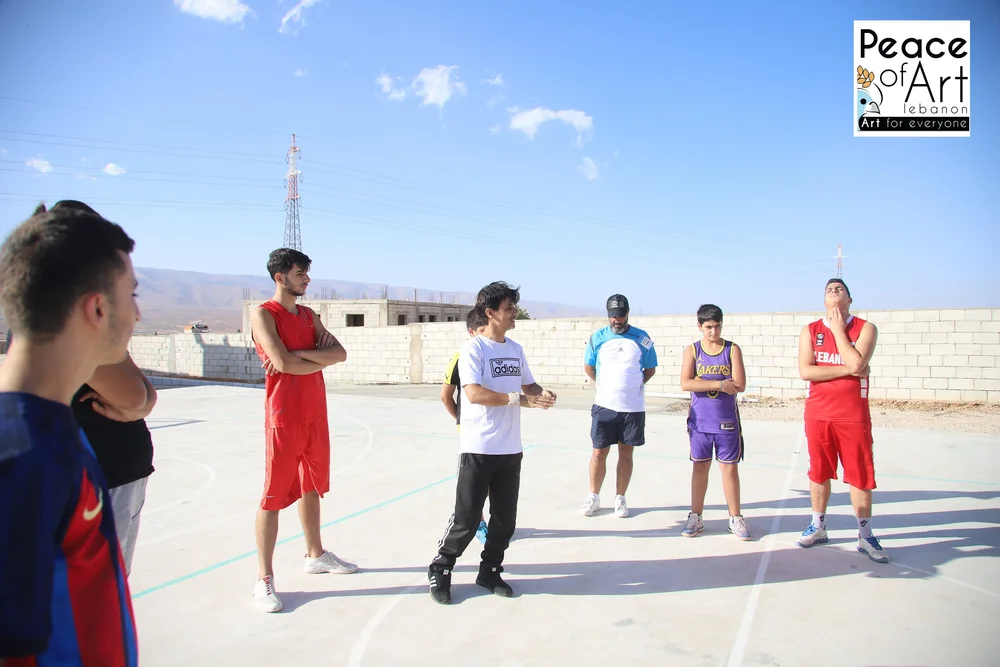
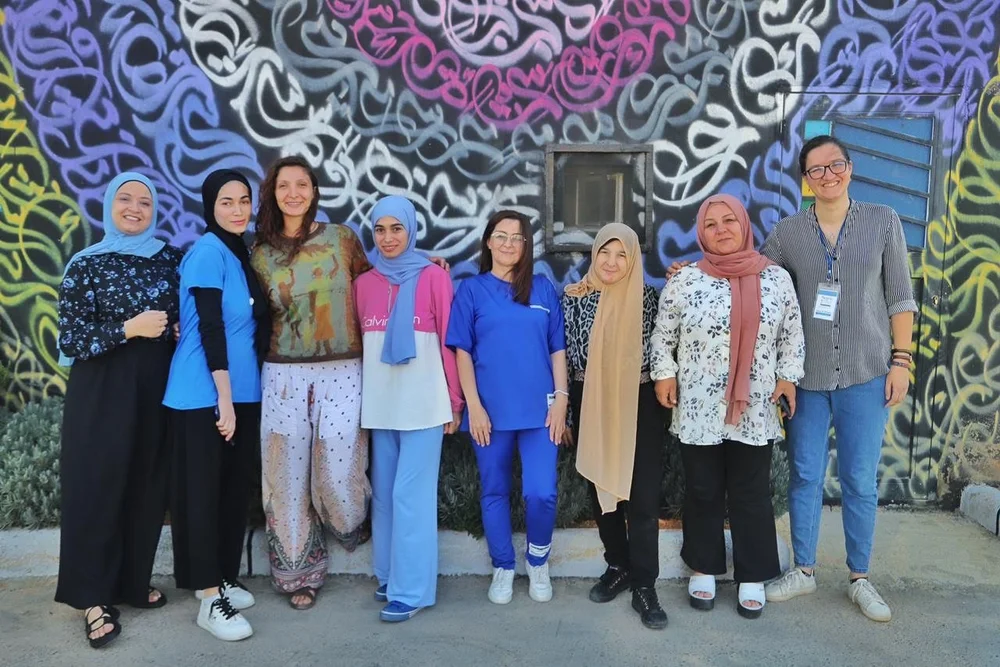
These photographs come from Peace of Art's own activity archives. The first photograph above documents the original We Play for Peace programme in 2020.
The three photographs below show later related sports coaching and yoga activities. They illustrate the organisation's wider work in sport and wellbeing, not additional sessions funded by UNAOC.
We Play for Peace Toolkit.
Peacebuilding through Sports Activities with Youth: Yoga & Volleyball
Published on 20 December 2020, this practical training handbook documents methods for community coaches and youth facilitators.
It connects sports-based activities with communication, conflict resolution and peacebuilding learning.
Inside the Toolkit
- Guidance for community coaches
- Peacebuilding and conflict concepts
- Communication and group facilitation
- Yoga-based learning activities
- Volleyball-based peacebuilding exercises
- Reflection and discussion methods
- Practical activities for youth groups
- Experiences and learning from the project
Publisher: Peace of Art Lebanon. Developed with support from UNAOC through the Youth Solidarity Fund.
Building skills. Sharing practical methods.
Peace of Art's project record identifies the following participation and knowledge outputs.
Community Coaches
Reported as trained in peer facilitation, communication and peacebuilding through sport.
Young Participants
Reported as engaged through the wider six-month sports-based peacebuilding programme.
Published Toolkit
A practical handbook making sports-for-peace methods accessible beyond the project period.
Reporting transparency: Peace of Art's project record reports 10 community coaches and 100 young participants. UNAOC's 2020 annual report separately describes 12 coaches and 32 youth in a 24-session yoga and volleyball programme. These figures are drawn from different reporting descriptions and should not be combined as one identical participant dataset.
Local youth peacebuilding. International support.
United Nations Alliance of Civilizations
UNAOC supported We Play for Peace through its Youth Solidarity Fund, enabling a locally implemented programme combining sports, youth engagement and peacebuilding.
Peace of Art Lebanon
Peace of Art delivered community-coach training, supported youth participation, integrated peacebuilding concepts into sports activities and published the training toolkit.
Explore the project, publications and sports activities.
We Play for Peace Toolkit
Original practical handbook on yoga, volleyball and peacebuilding.
UNAOC Annual Report 2020
Institutional reporting on the Youth Solidarity Fund and its activities.
Peace of Art Activities 2020
Original We Play for Peace photography and historical project coverage.
Peace of Art Sports Activities 2023
Related basketball, volleyball and youth sports programming.
Peace of Art Yoga Activities 2024
Later community wellbeing and yoga activities led by Zeina Hajiri.
Publications & Training Materials
Explore the We Play for Peace toolkit alongside other educational resources.
A practical approach to peacebuilding beyond the sports field.
We Play for Peace contributed to Peace of Art's experience of using everyday activities to create opportunities for dialogue and social interaction.
The project placed particular emphasis on the role of local coaches in supporting young people's participation.
The published toolkit remains a concrete knowledge resource that can be studied and adapted by other facilitators and youth organisations.
Peace of Art continued to provide other sports and wellbeing activities in later years, including basketball, volleyball and yoga.
Impact distinction: The project documents coach development, youth participation and toolkit publication. Long-term changes in trust and social cohesion require separate follow-up evidence.
Peace can begin with a shared game, a moment of cooperation or the decision to treat another person with respect.