
From Roots to Rivers
Youth-led environmental participation, eco-tourism and visual storytelling in Lebanon's Assi River villages.
A six-month initiative bringing Lebanese and Syrian young people together to document local natural resources, strengthen environmental awareness and explore opportunities for sustainable tourism.
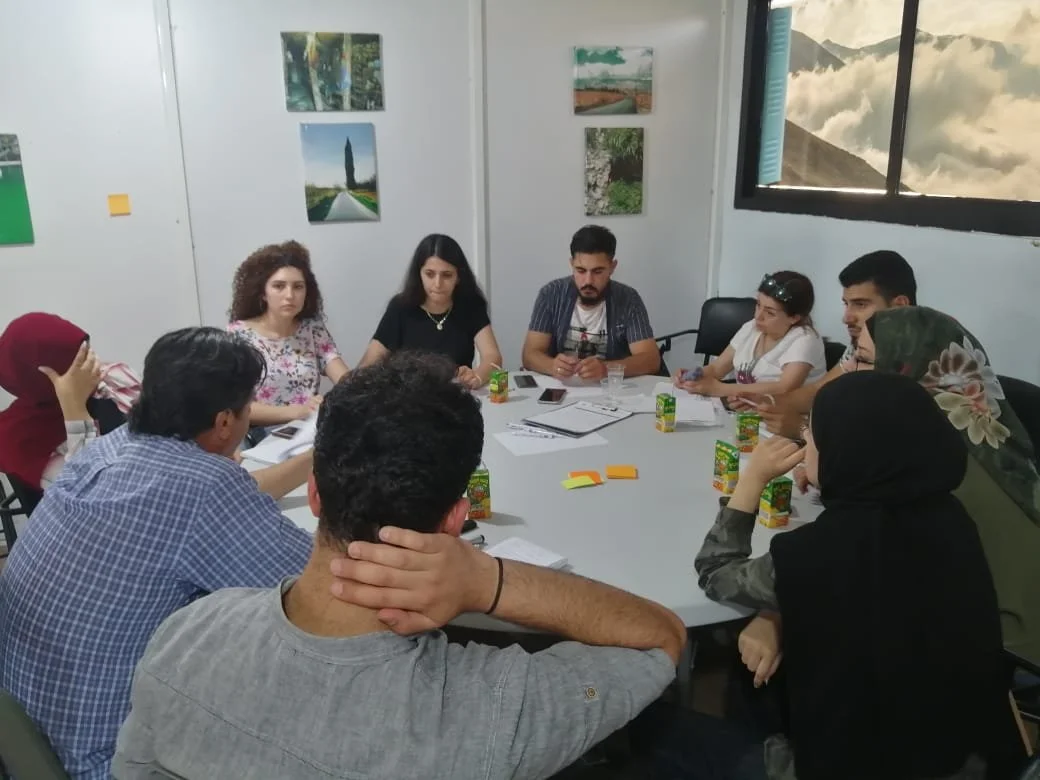
Illustrative image from Peace of Art's wider community-participation work in Northern Bekaa.
Connecting youth, nature and local development.
From Roots to Rivers was implemented from May to October 2024 in Al-Ain and communities around the Assi River basin in Lebanon.
The initiative was supported by WeWorld-GVC within the broader EU-supported Hawkamaa framework, connecting environmental concerns, local participation and water governance.
Peace of Art engaged 40 Lebanese and Syrian young people, equally divided by nationality and gender, in activities exploring eco-tourism, environmental preservation and creative documentation.
Participants learned photography and media-production techniques, visited local sites and worked to communicate the environmental and cultural value of the Assi River villages.
The programme also included environmental workshops, reforestation, coordination with municipalities and planning for youth-led camping infrastructure.
Project context: The programme was affected by the 2024 war in Lebanon. While several activities were implemented, the planned camping infrastructure could not be installed because of security conditions.
Environmental stewardship through youth participation.
The initiative combined practical skills development with environmental action and local cooperation.
Youth Capacity Building
Develop knowledge and practical skills in eco-tourism, media production and sustainability.
Environmental Protection
Promote conservation, responsible environmental practices and reforestation.
Local Heritage & Tourism
Document natural and cultural assets of the Assi River villages.
Municipal Cooperation
Strengthen communication between youth, local authorities and national institutions.
Youth-Led Infrastructure
Plan practical infrastructure for community-based eco-tourism and camping activities.
Cross-Cultural Cooperation
Bring Lebanese and Syrian youth together through shared environmental responsibilities.
From learning to environmental action.
The project connected training, field exploration, visual storytelling, environmental practice and cooperation with local institutions.
Photography was an important educational tool: participants learned how to observe, document and communicate the value of their local environment.
The programme also sought to translate this learning into practical eco-tourism initiatives, including a youth-run camping site.
Institutional Coordination
Cooperation with WeWorld-GVC, municipalities and relevant public institutions.
Photography & Media Skills
Training in lighting, camera functions, lenses, storytelling and visual documentation.
Site Visits & Documentation
Field exploration and documentation of local environmental and cultural assets.
Environmental Workshops
Four workshops promoting environmental practices, alongside reforestation activities.
Eco-Tourism Planning
Youth group work on camping infrastructure, local signage and potential tourism activities.
Interrupted Infrastructure
The planned camp installation was not completed because of the 2024 war and bombardment in the Bekaa.
Seeing local communities through a different lens.
The project used photography and media production to help young people document the Assi River region and communicate its environmental value.
The following photographs are illustrative images from other Peace of Art programmes. For original Roots to Rivers documentation, visit the 2024 activities archive.
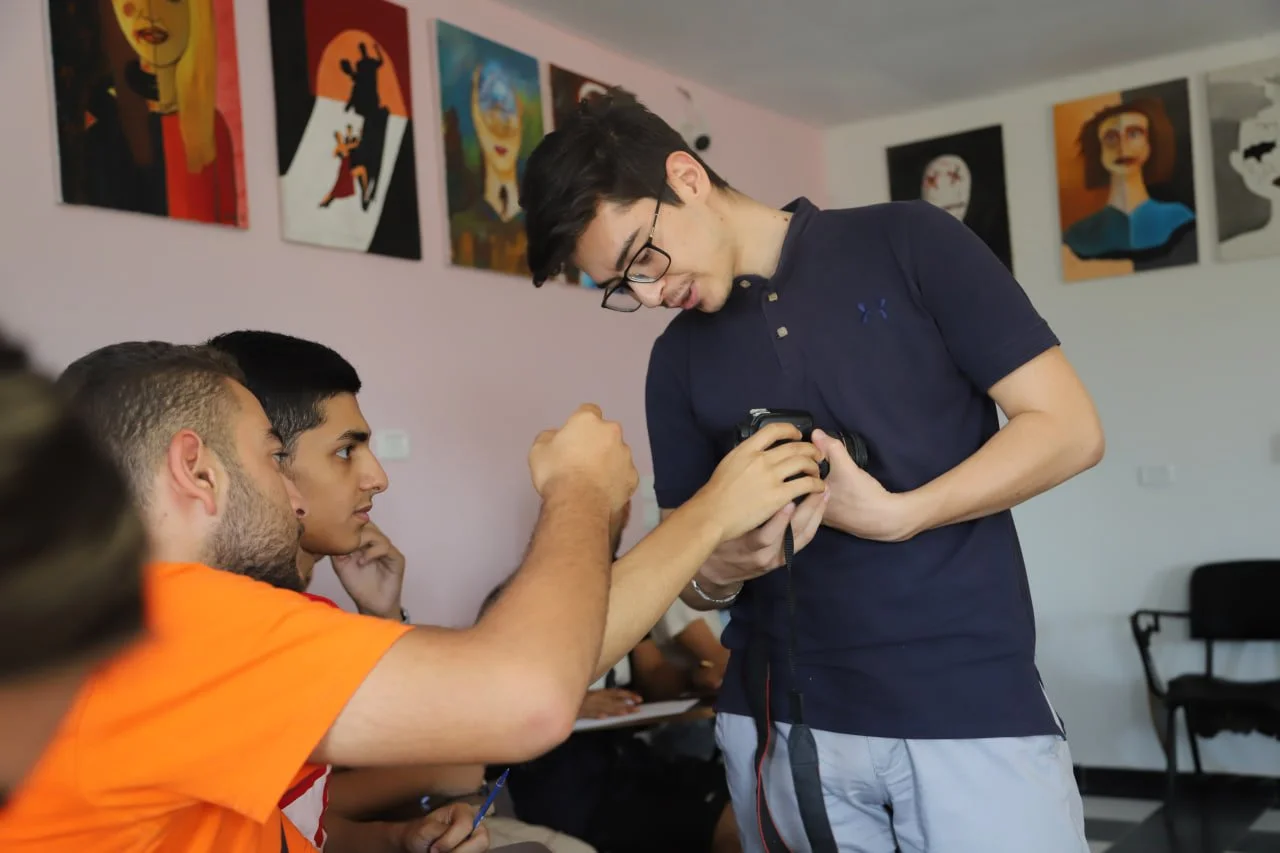
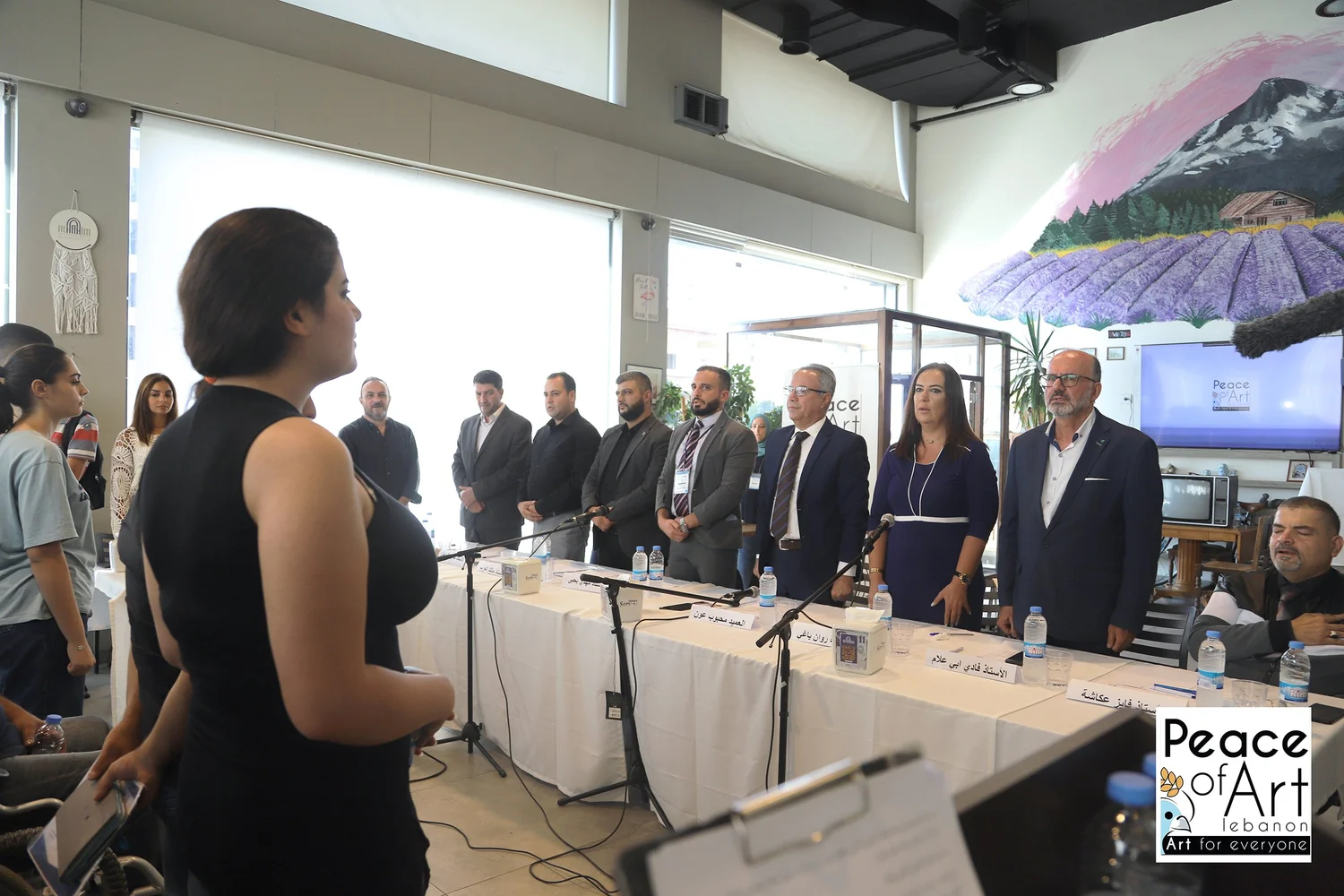
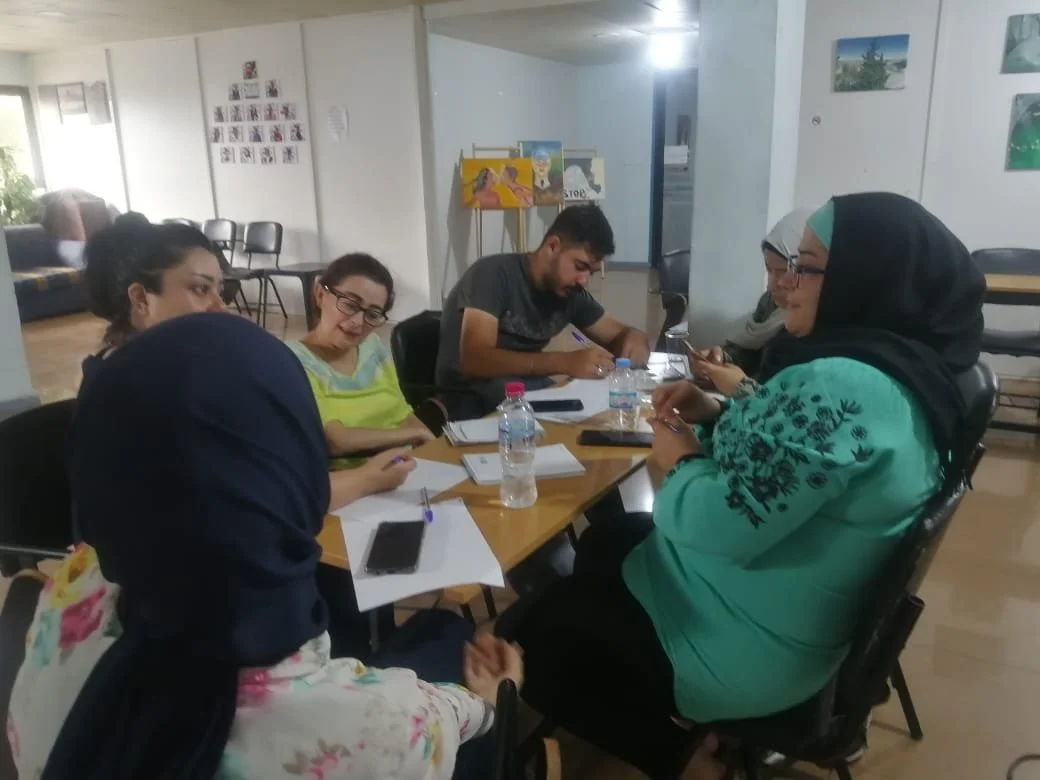
Original project material: The Roots to Rivers project document includes photographs of participants in media training and stakeholder meetings. These should replace the illustrative images once uploaded to Squarespace with direct image URLs.
Documenting the region. Building environmental awareness.
The project documentation reports the following outputs and activities.
Evidence note: The document also describes a target of mapping at least 20 sites, a training knowledge improvement target of 60%, and one-year monitoring of planted trees. These are not presented here as independently verified achieved results.
What was achieved. What remained unfinished.
Transparent reporting is especially important when external events interrupt planned activities.
Training, environmental action and community coordination
The project document records participation by 40 young people, photography and environmental learning, production of videos and photographs, planting 108 trees and coordination with local stakeholders.
These activities supported youth engagement with environmental conservation and local development.
Youth-Run Camping Infrastructure
Young participants worked on identifying infrastructure requirements and preparing camp logistics.
However, the physical installation of the camping site was not completed because of the 2024 war and heavy bombardment in the Bekaa.
This limitation is part of the project's documented implementation record.
Connecting youth with local institutions.
The project linked community-based participation with municipal cooperation and wider environmental governance efforts.
WeWorld-GVC
Project support within the broader EU-supported Hawkamaa framework.
Municipal Partners
Ain Municipality, Hermel Municipality and the Federation of North Baalbek Municipalities.
National Institutions
Cooperation involving the Ministry of Tourism and Ministry of Youth and Sports.
Explore the project's wider context.
Peace of Art Activities 2024
Original public documentation of the WeWorld partnership, photography training and environmental participation.
Peace of Art Photo Gallery
Explore visual documentation from Peace of Art's projects and activities in Lebanon.
Peace of Art Project Portfolio
Discover environmental, educational and youth-led projects across the organisation.
Protecting nature through participation.
From Roots to Rivers connected environmental awareness with youth participation and creative communication.
By documenting local sites, learning media skills and taking part in environmental activities, participants gained opportunities to engage with the region's natural resources.
The programme also encouraged cooperation between Lebanese and Syrian young people and created spaces for engagement with municipalities and other institutions.
Although the camping infrastructure remained unfinished, the experience demonstrates how environmental education, creative skills and community participation can reinforce one another.
Longer-term outcomes, including tree survival and sustained eco-tourism activities, require follow-up documentation.
Environmental stewardship begins when young people are given the knowledge, tools and opportunities to care for the places they call home.