
Local Youth
Lead Program
Young people developing the skills, confidence and platforms to influence their communities.
An intensive youth leadership initiative connecting civic education, human rights, advocacy and local governance with photography, filmmaking and direct dialogue with community stakeholders.
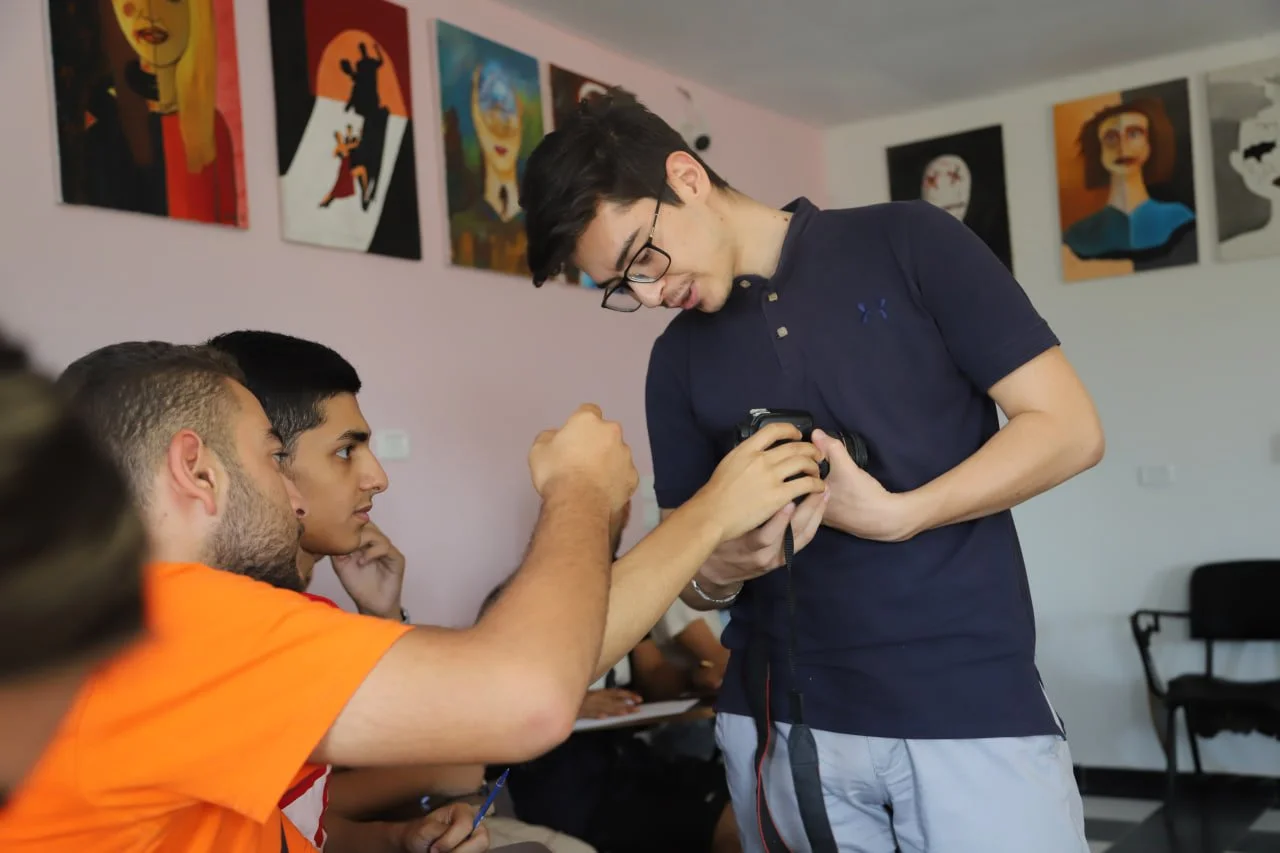
Giving young people the tools to participate, question and lead.
The Local Youth Lead Program (LYLP) was implemented directly by Peace of Art in Northern Bekaa, Lebanon, with funding from ARK Group.
The project connected civic education with practical communication and creative media skills. Participants explored advocacy, human rights, citizenship, accountability, access to information and good governance.
Alongside this learning, young people developed photography, filmmaking and storytelling abilities, enabling them to communicate their concerns in accessible and engaging formats.
The programme was designed to move beyond classroom learning by connecting youth participants with community figures, local stakeholders and opportunities for public dialogue.
Participation figures: The project document records 16 youth trainees, while Peace of Art's existing project directory describes a wider programme targeting 30 young people. These figures represent different reporting scopes and should not be combined.
Meaningful participation begins with access to knowledge and voice.
Young people need more than invitations to public events. They need the skills to understand decisions, formulate their priorities and communicate effectively with the people and institutions shaping their communities.
Knowledge and accountability
Civic participation requires an understanding of rights, responsibilities, public institutions, access to information and the principles of transparent governance.
LYLP introduced these concepts through participatory learning and practical advocacy.
Creative tools for public voice
Photography and filmmaking allow young people to communicate issues that may be difficult to express through formal political language alone.
By creating their own media, participants could move from receiving information to producing messages for public discussion.
Building skills. Creating platforms. Encouraging action.
Civic Knowledge
Strengthen understanding of human rights, citizenship, laws, access to information and accountability.
Youth Advocacy
Equip participants to identify community concerns and advocate for transparent, inclusive governance.
Local Dialogue
Connect youth with stakeholders and community actors through structured discussions.
Creative Media
Develop photography, filmmaking and storytelling skills for civic communication.
Inclusive Participation
Promote youth and women's representation in local public life and decision-making.
Youth-Led Continuity
Support the development of a local youth committee and peer-to-peer engagement.
From knowledge to public participation.
LYLP brought together civic learning, creative production and dialogue through a connected sequence of activities.
Learn
Human rights, citizenship, advocacy, accountability, access to information and local governance.
Create
Photography, filmmaking, content creation, Photovoice and communication practice.
Engage
Roundtables and consultation with community figures and local stakeholders.
Continue
Youth committee development, peer learning and ongoing civic engagement.
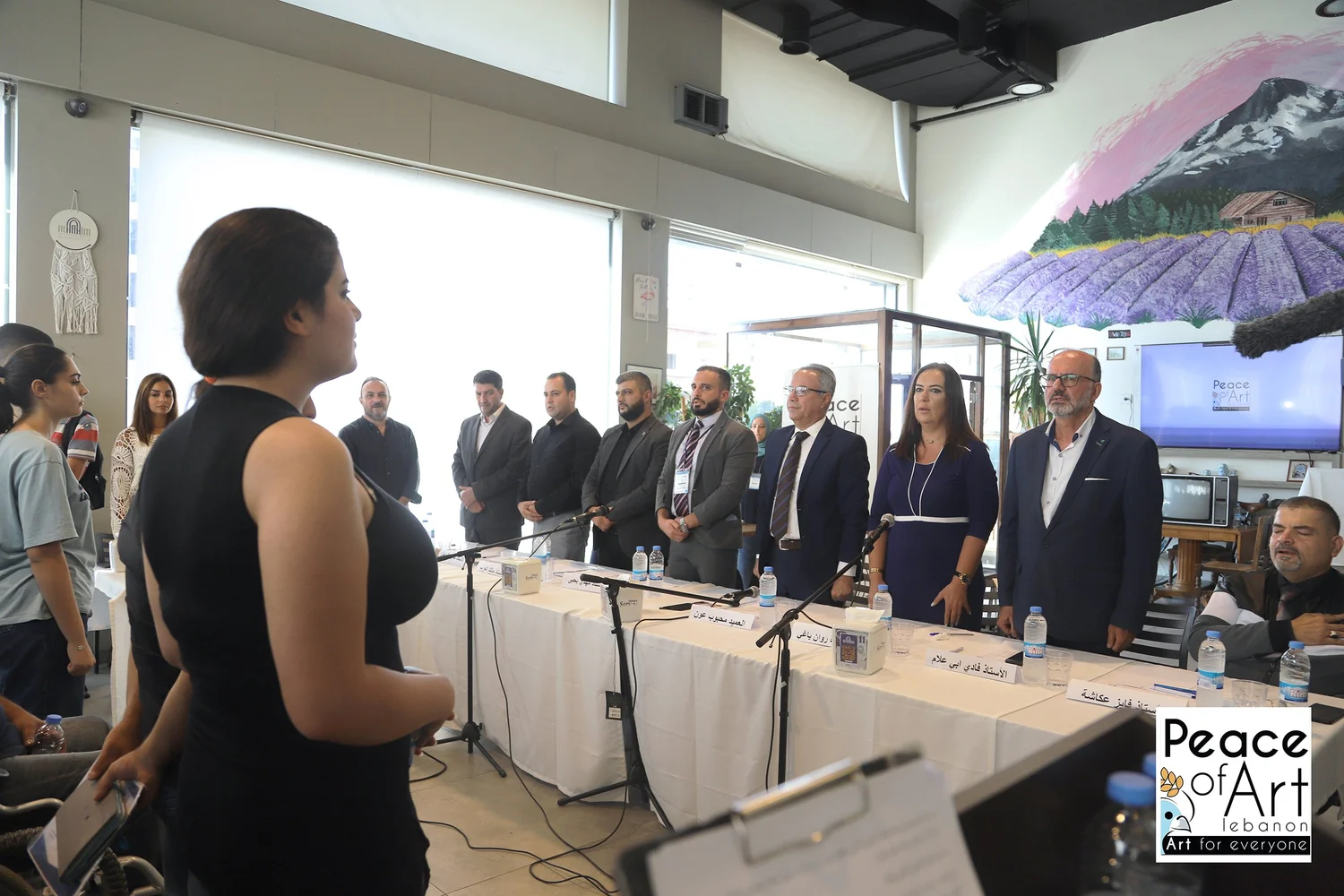
Bringing youth voices into direct dialogue with community leaders.
On 20 September 2023, Peace of Art convened a consultation session at Bayt Al-Hakim Restaurant.
The event brought youth participants together with community figures including Fadi Abi Allam, Colonel Mahboub Aoun, Rawan Yaghi and Peace of Art founder Mahdi Yahya.
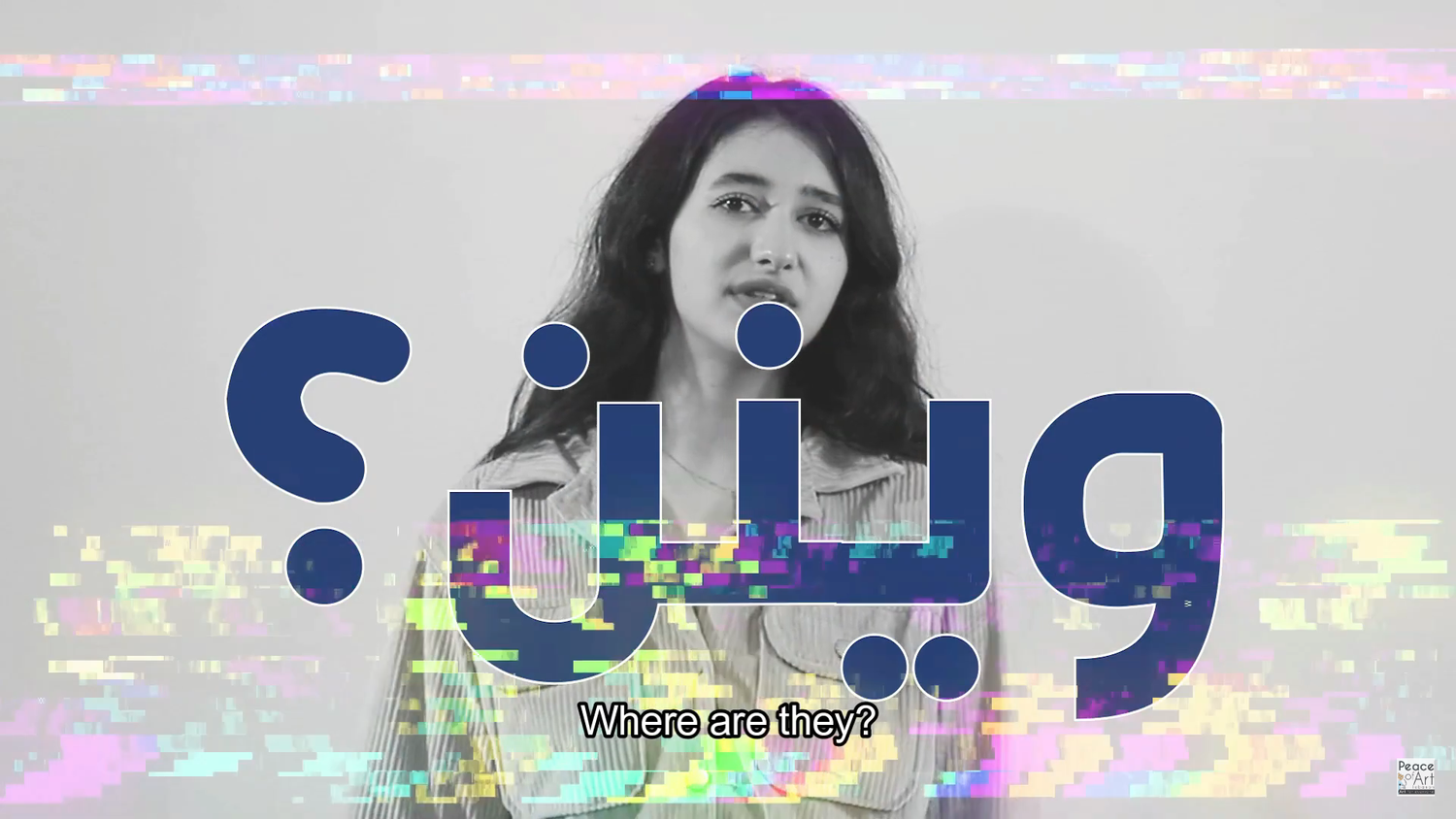
The consultation opened with the youth-produced film "Where Are They?", allowing participants' own perspectives to frame the discussion.
Speakers and participants then explored advocacy, public participation, leadership challenges and community development, concluding with recommendations.
"Where Are They?"
A youth-produced advocacy film examining representation, access to information and the place of youth and women in decision-making.
Original film by participants of the Local Youth Lead Program. Hosted on YouTube.
When young people tell the story, the questions change.
"Where Are They?" explores the limited visibility of youth and women in community decision-making.
The film raises questions about accountability, transparency, access to information and good governance.
Created by project participants, the production translated civic education into an accessible public message.
The film was screened at the September 2023 consultation, helping initiate discussion with invited stakeholders.
Visual storytelling as a tool for civic advocacy.
Photography and film were central to the programme's approach. Young people learned to use visual media not only for creative expression, but also to communicate community concerns.
The project documentation identifies a youth-led Photovoice exhibition and a short film as programme outputs.
These methods provided participants with opportunities to connect personal observations with wider questions of participation, rights and governance.
Training, dialogue, creative production and youth organisation.
The following figures come from the uploaded project document. Public evidence confirms the youth film and September consultation; other recorded indicators should be checked against the final project report before being used as externally audited results.
Youth Trainees
Recorded participation in civic, advocacy and creative media training.
Roundtables
Programme discussions involving youth and community stakeholders.
Youth Committee
Local committee established or activated according to the project document.
Photovoice Exhibition
Youth-led visual advocacy exhibition recorded in the project document.
Advocacy Film
"Where Are They?", produced by youth and publicly available online.
Stakeholder Learning Session
Capacity-building activity addressing freedom of expression and meaningful youth participation.
An integrated curriculum for civic participation.
Human Rights & Citizenship
Rights, responsibilities, legal frameworks and active citizenship.
Advocacy & Accountability
Public advocacy, transparency, accountability and access to information.
Local Governance
Stakeholder engagement, local decision-making and community participation.
Photography & Photovoice
Visual observation, community storytelling and photographic advocacy.
Filmmaking & Content Creation
Film production, creative communication and public messaging.
Dialogue & Leadership
Communication, peer learning, leadership and community collaboration.
Investing in locally rooted youth leadership.
The Local Youth Lead Program was funded by ARK Group and implemented directly by Peace of Art.
The uploaded project documentation reports a total budget of USD 19,975 for a two-month implementation period.
Resources supported an integrated approach combining civic learning, youth engagement, media production and stakeholder dialogue.
Financial transparency: The figure shown is the reported project budget, not a verified final expenditure total. A detailed expenditure statement was not included in the supplied document.
Explore the original documentation and youth-produced work.
"Where Are They?" — Youth Film
Original advocacy film produced by Local Youth Lead participants, 2023.
Peace of Art — 2023 Activities
Official documentation of Local Youth Lead training, the film and community consultation.
Local Youth Lead — Project Directory
Original project record within Peace of Art's programme portfolio.
Peace of Art — Photo Gallery
Explore original organisational photographs and documentation.
Young people are not only beneficiaries. They are contributors to public life.
The Local Youth Lead Program demonstrates Peace of Art's approach to linking education with meaningful public participation.
Participants were encouraged to move beyond learning about their rights and toward communicating priorities, producing advocacy materials and engaging with community actors.
The combination of creative media and stakeholder dialogue helped create a visible platform for youth perspectives.
The project's emphasis on youth organisation and peer learning also offers a model for future civic engagement initiatives in Northern Bekaa.
Youth participation becomes meaningful when young people can develop their own message, ask their own questions and take part in the conversations shaping their communities.