
Kulluna
Muwatinun
We Are All Citizens
Promoting religious diversity, inclusive citizenship and sustainable peace through youth leadership, community dialogue and local action in North Bekaa, Lebanon.
Citizenship becomes meaningful when people can participate.
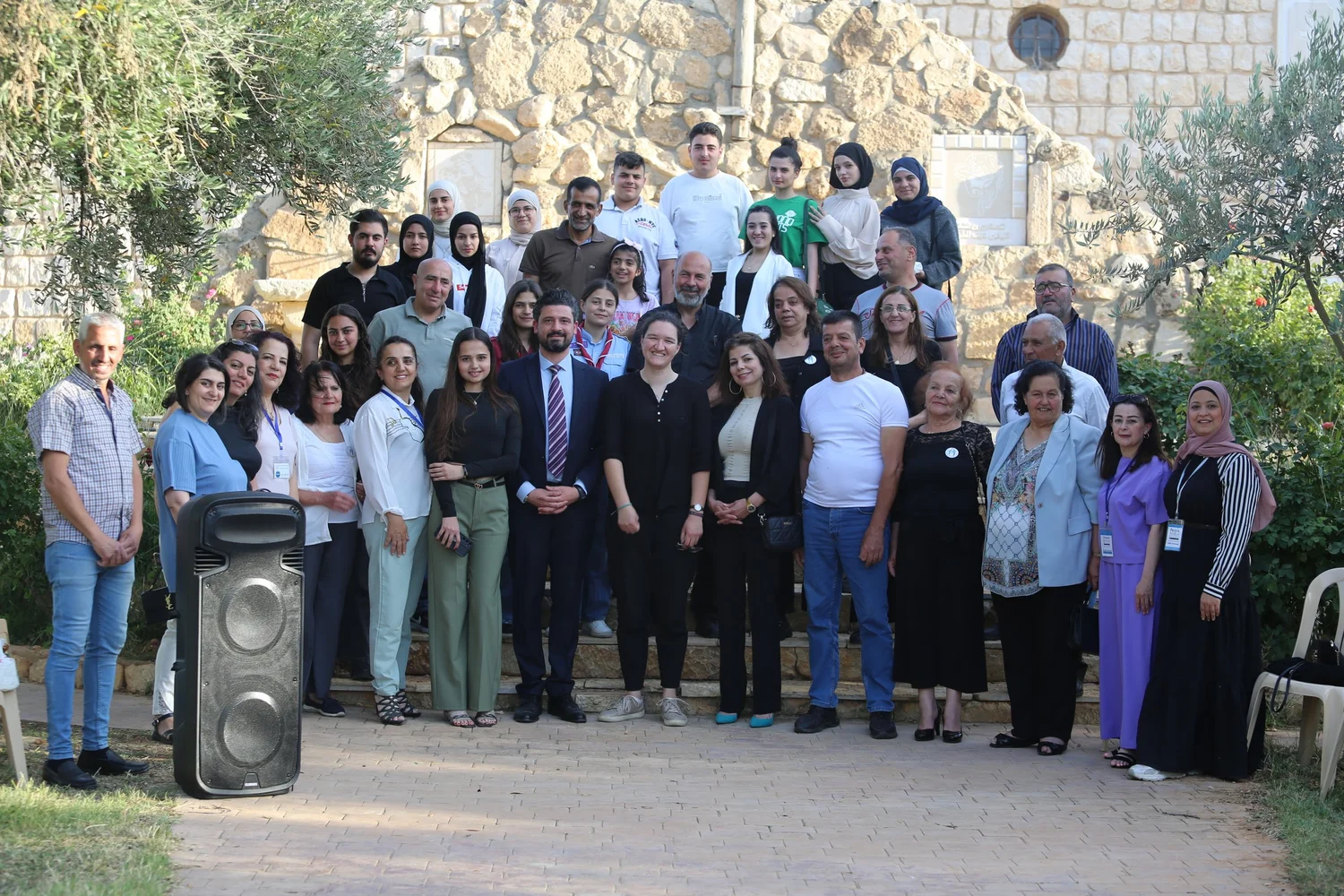
Kulluna Muwatinun — “We Are All Citizens” — is a Peace of Art programme supporting youth-led peacebuilding and inclusive citizenship in North Bekaa.
Implemented with PAX as managing partner and supported by Development and Peace — Caritas Canada, the programme creates opportunities for young people from different communities to develop skills, engage with local authorities and contribute to peaceful social change.
Its approach connects the Youth, Peace and Security agenda and United Nations Security Council Resolution 2250 with practical local participation.
From 2026, the programme also integrated psychosocial support for children and emergency food assistance in response to escalating humanitarian needs.
Programme model: Peace of Art implements local activities within a broader regional programme managed by PAX.
Young people need a place in decisions affecting their future.
Political exclusion, economic insecurity, discrimination and the consequences of armed conflict can weaken young people's ability to participate in public life.
In North Bekaa, Lebanese and Syrian communities face overlapping pressures related to livelihoods, public services, social cohesion and uncertainty.
Misinformation, harmful narratives and community tensions can further limit trust and constructive dialogue.
Kulluna Muwatinun responds by helping young people strengthen their knowledge, express their perspectives and engage directly with local stakeholders.
The programme approaches peace as a practical process involving participation, relationships, responsibility and community action.
Strengthening participation, dialogue and social cohesion.
Youth Leadership
Strengthen young people's confidence, communication, leadership and civic skills.
Inclusive Citizenship
Promote participation and respect across religious, cultural and social differences.
Local Dialogue
Connect youth with municipalities and community stakeholders.
Critical Thinking
Develop debate, research, media-literacy and verification skills.
Community Action
Support practical initiatives that strengthen cooperation and shared responsibility.
Community Resilience
Respond to the wellbeing and humanitarian needs of vulnerable communities.
From capacity building to civic action.
The first phase was affected by the escalation of conflict in September 2024. Activities were suspended and subsequently resumed in 2025.
Youth skills and participation
Peace of Art delivered 20 capacity-building sessions across four modules:
- Peacebuilding — 4 sessions
- Leadership — 4 sessions
- Debate, youth strategies and freedom of religion or belief — 6 sessions
- Research — 6 sessions
These sessions engaged 17 Lebanese and Syrian youth participants: 11 female and 6 male.
Dialogue beyond the classroom
Participants applied their learning through local community initiatives and institutional dialogue.
- One community social project involving 15 participants
- Two round-table dialogues with 41 participants combined
- Field visits to Ain and Al-Fakiha municipalities
- Five youth completing online documentation and archiving training with Khazaen, Palestine
Each municipality visit engaged 10 participants.
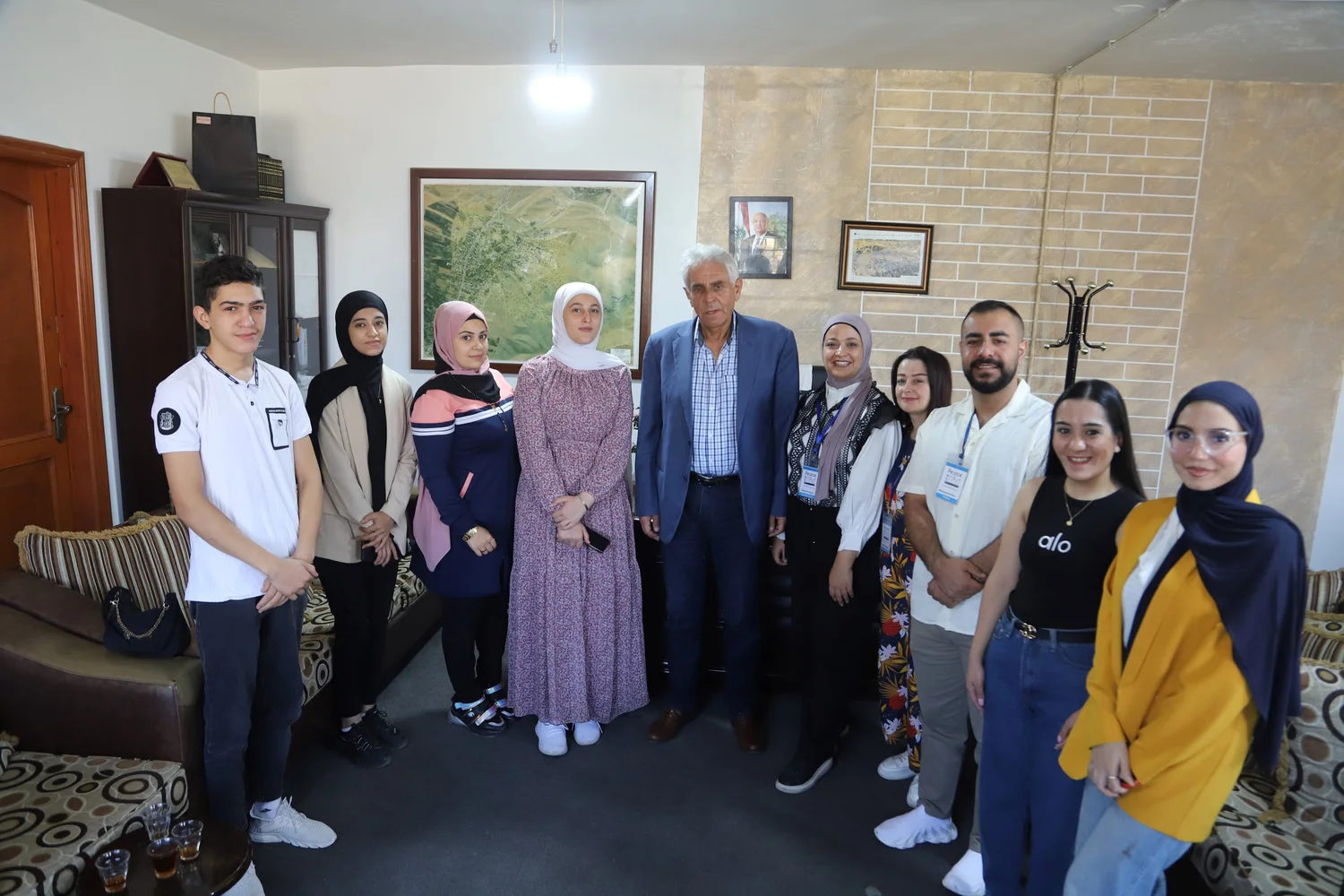
Bringing youth into municipal decision-making spaces.
Under Kulluna Muwatinun, young participants visited Ain Municipality to engage directly with local leadership.
Discussions addressed community priorities, participation and possible cooperation between young citizens and municipal institutions.
These encounters transformed civic education from a classroom subject into direct institutional engagement.
Shared citizenship through practical solidarity.
A community initiative under Kulluna Muwatinun brought young participants together to support St. George Church in Jdeideh-Fakiha.
Activities included painting, lighting and improvements to the surrounding environment.
The initiative involved 15 participants from different religious backgrounds and concluded with a community gathering on 31 May 2025.
Supporting a community religious landmark provided a concrete expression of interreligious respect, shared responsibility and peaceful coexistence.
Continuing civic education while responding to crisis.
In the January–June 2026 reporting period, Peace of Art documented continued local programming despite renewed armed conflict.
Youth Capacity-Building Sessions
Fourteen youth participants attended sessions covering communication, digital literacy, critical thinking, civic engagement, storytelling and media production.
Psychosocial Support Sessions
Fifty-two children participated across two groups using trauma-informed, play-based and arts-based methods, supported by volunteers.
Families Receiving Food Assistance
Two rounds of emergency food assistance reached 40 families, representing 168 individuals, prioritised through documented vulnerability criteria.
Reporting distinction: These figures are documented for January–June 2026. They are not presented as final totals for the entire second contracted phase.
Skills that connect reflection with action.
The programme combines youth peacebuilding resources, participatory learning, institutional dialogue and regional peer exchange.
Peacebuilding
Conflict awareness, inclusive dialogue, constructive participation and social cohesion.
Leadership & Debate
Communication, critical reasoning, public speaking and respectful disagreement.
Research & Documentation
Research skills, community knowledge, archiving and peer learning.
Digital Literacy
Media literacy, digital safety, storytelling and responsible communication.
Municipal Engagement
Direct exchange between young participants and local decision-makers.
Creative Wellbeing
Child-friendly, play-based and arts-based activities supporting psychosocial wellbeing.
Participation and community support in numbers.
The following figures are drawn from the two implementation reports. Participation across activities may overlap.
2025 Training Sessions
Four structured capacity-building modules.
2025 Youth Trainees
Eleven female and six male participants.
Round-Table Participants
Combined participation across two dialogues.
Municipality Visits
Engagement with Ain and Al-Fakiha authorities.
Regional Peer Learners
Online archiving training with Khazaen, Palestine.
2026 Youth Trainees
Ten female and four male participants.
Children Supported
Psychosocial activities in two groups.
Families Assisted
Two rounds of emergency food distribution.
Individuals Reached
People within the 40 assisted households.
Counting methodology: These activity figures must not be added together as a total number of unique beneficiaries. The 168 individuals receiving food assistance include members of the 40 assisted families.
Real people. Real community participation.
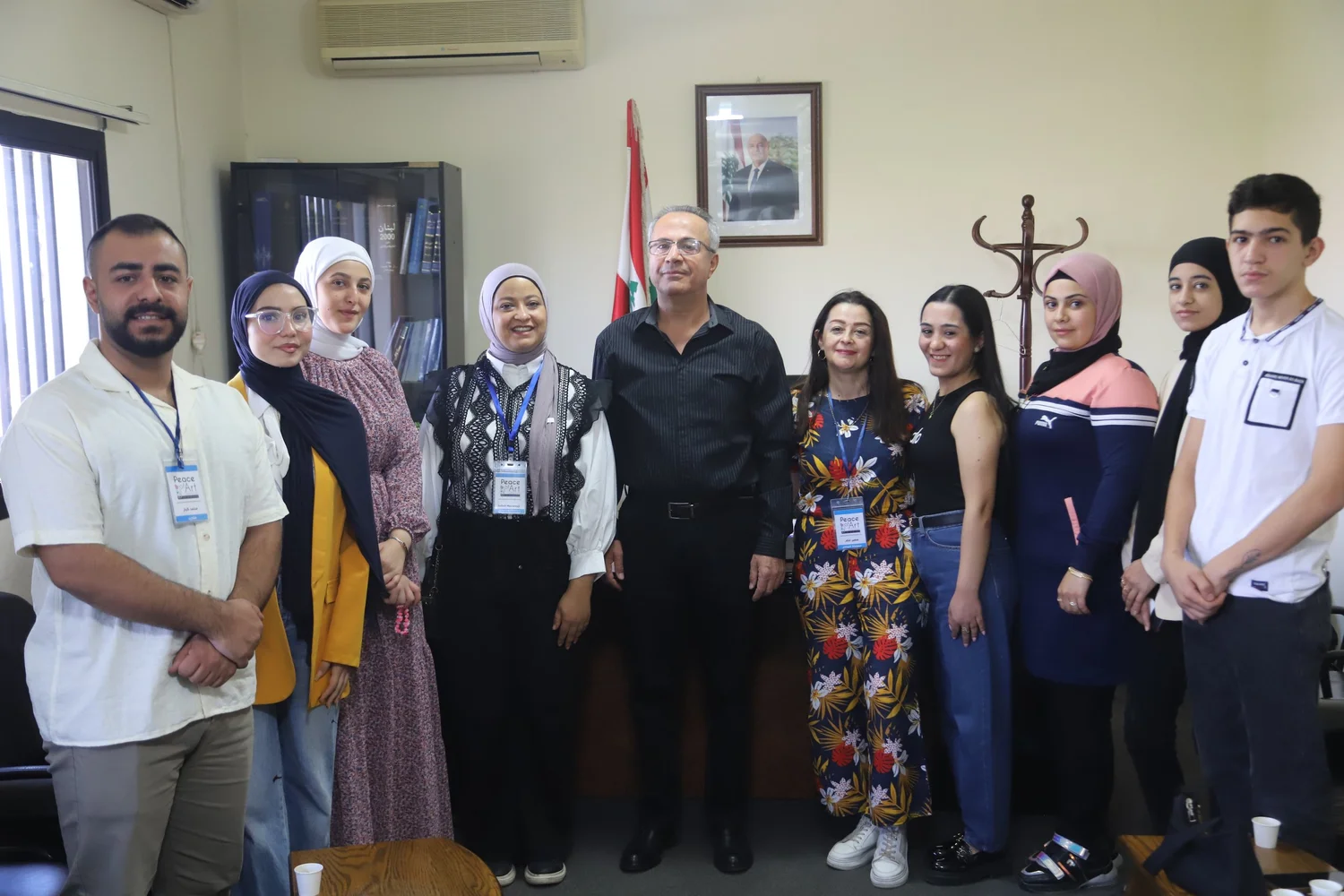
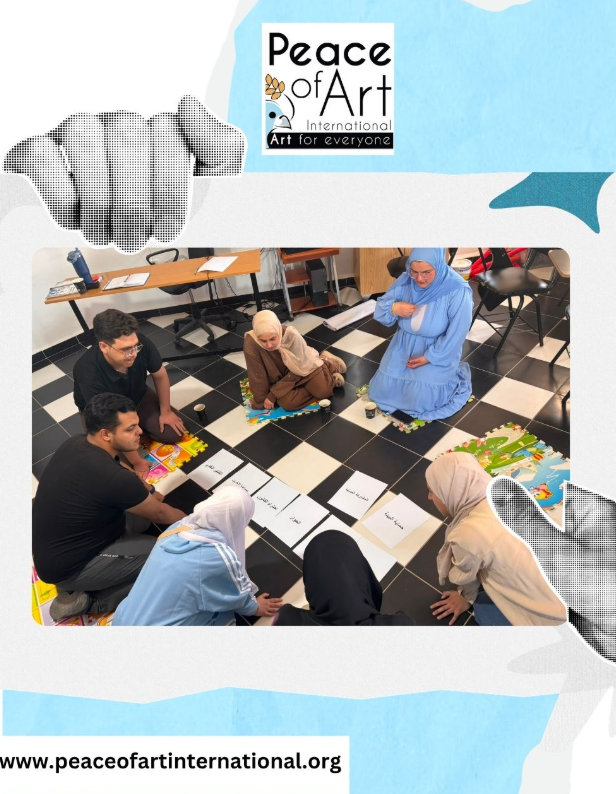
Four photographs from Peace of Art's own website documenting Kulluna Muwatinun activities in 2025 and 2026.
Locally implemented. Connected to regional learning.
Peace of Art Lebanon
Local implementation, youth engagement, capacity building, community dialogue and humanitarian support.
PAX
Programme management and wider regional peacebuilding cooperation.
Development and Peace — Caritas Canada
Funding support across the documented contracted phases.
Khazaen, Palestine
Online documentation and archiving training, supporting peer exchange.
Local Municipalities
Engagement with Ain and Al-Fakiha municipal authorities.
Local Communities
Lebanese and Syrian youth, community participants, volunteers and families.
Continuing peacebuilding under difficult conditions.
2024–2025: Suspension and Recovery
In September 2024, security threats and bombardment in the Bekaa region required Peace of Art to suspend programme activities.
Implementation resumed in 2025, allowing the organisation to complete youth training, dialogue and community initiatives.
2026: Continuity and Adaptation
During the renewed escalation of armed conflict in 2026, Peace of Art reported uninterrupted programme activity in its own implementation areas through June.
Smaller activity formats and established community relationships supported continuity, while psychosocial support and food assistance addressed immediate needs.
Transparent about funding and implementation.
Kulluna Muwatinun has been implemented through two documented contracted phases, supported by Development and Peace — Caritas Canada and managed through PAX.
The Phase 2 financial documentation identifies a total budget of EUR 23,345 for February 2026 through January 2027.
As of the financial report dated 30 June 2026, EUR 5,905 had been disbursed.
The Phase 1 documentation contains two different budget figures. Rather than publish an unverified consolidated total, this page identifies the discrepancy openly.
Budget verification needed: The Phase 1 narrative reports EUR 11,955, while the budget summary reports EUR 12,655. The approved Phase 1 financial statement should determine which figure is published.
Explore the programme and its documented activities.
The following links connect this project page to official programme information and Peace of Art's activity archives.
PAX — Kulluna Muwatinun
Official regional programme overview, including youth participation, peacebuilding and cross-border learning.
Peace of Art Activities 2025
Youth leadership, municipal visits and the St. George Church initiative.
Peace of Art Activities 2026
Youth training, citizenship learning and continued community engagement.
Kulluna Muwatinun — Daleel Madani
Public project profile describing Peace of Art's contribution to the regional programme.
No public download link for the programme's full internal narrative or financial reports has been verified. These documents should only be published after review of confidentiality, donor requirements and participant privacy.
Building relationships that continue beyond individual activities.
Kulluna Muwatinun connects youth leadership development with real opportunities for participation in community and institutional life.
Its phased learning model builds on successive youth cohorts, while municipal engagement helps participants understand local decision-making processes.
Regional peer learning, including cooperation with Khazaen in Palestine, creates opportunities for knowledge exchange beyond national borders.
The programme's 2026 adaptation also demonstrates how civic participation, psychosocial wellbeing and humanitarian support can respond to connected community needs.
Inclusive citizenship is built when young people are heard, communities cooperate, and differences become opportunities for dialogue rather than division.