On the Brink: Civil Peace in Lebanon and the Urgent Responsibility of Conscious Citizenship
At a critical juncture in Lebanon’s modern history, both vertical and horizontal divisions among its people are deepening in ways that threaten the fragile fabric of civil peace. These divisions are no longer confined to traditional political alignments; they have permeated collective consciousness, everyday discourse, and the fundamental perception of “the other.” One camp accuses the other of bringing war and destruction upon the country, while the opposing side retaliates with allegations of foreign allegiance and betrayal. Between these mutually reinforcing narratives, trust erodes, common ground disappears, and the very idea of a shared nation begins to fracture.
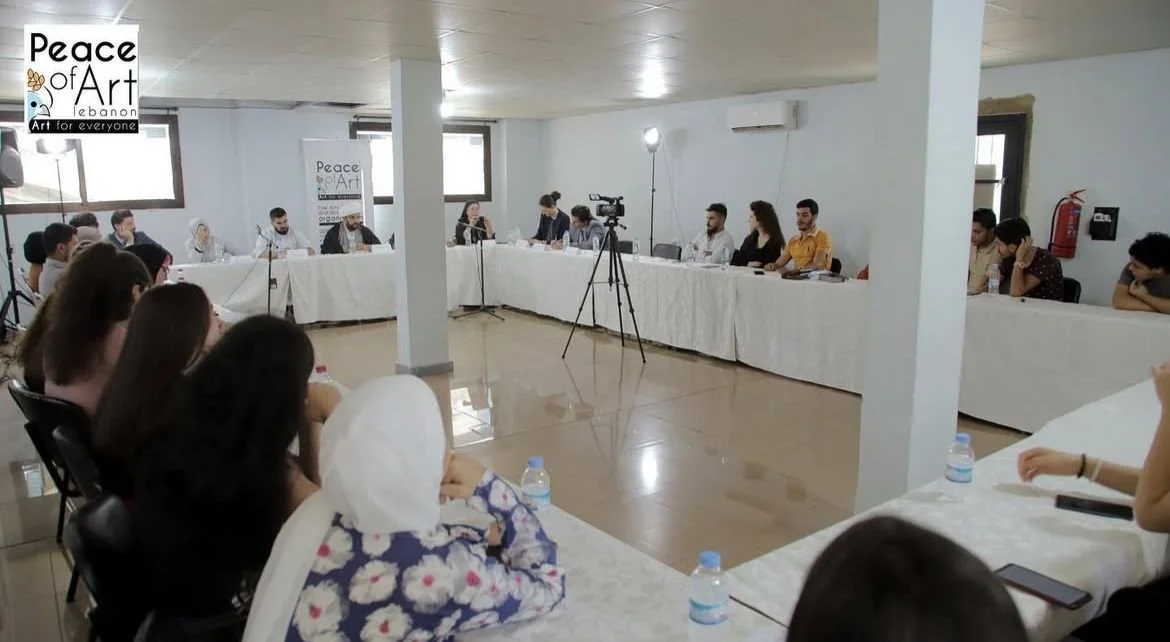
Interreligious dialogue circle — youngsters and faith leaders building understanding and peace at Peace of Art.
These divisions are not unprecedented, yet their current intensity and fragility are particularly alarming. Lebanon’s pluralistic identity has historically relied on a delicate balance among its diverse communities. However, this balance has repeatedly proven vulnerable to both internal fractures and external shocks. The Lebanese Civil War (1975–1990) remains the most violent manifestation of such divisions, when differences transformed into existential conflict and sectarian identities hardened into deadly frontlines.
Today, a similar dynamic is re-emerging in a different form. The battlefield is no longer exclusively physical; it is cognitive, emotional, and rhetorical. Accusations, incitement, and psychological mobilization are shaping perceptions and fueling polarization. This makes the current moment particularly dangerous, as divisions that begin in the mind often precede and enable divisions in the street.
A careful reading of Lebanon’s modern history reveals a recurring pattern: every major regional conflict reverberates internally. The 1982 Israeli invasion deepened internal fractures, while the Syrian war since 2011 generated profound political and social polarization within Lebanon itself. Time and again, external crises have been internalized, exposing the structural vulnerability of the Lebanese system and placing civil peace perpetually on the edge of collapse.
In this context, the role of independent civil society initiatives becomes not only relevant but essential. As the founder of Peace of Art, I have witnessed firsthand the urgency of creating spaces that transcend political and sectarian divides—spaces that invest in people rather than merely reacting to crises.
At Peace of Art, we work to rebuild the social fabric from the ground up through a set of integrated programs designed to foster dialogue, empowerment, and resilience. Our initiatives include:
-
Training young individuals in music, filmmaking, photography, and visual arts, enabling them to express their narratives and engage constructively in public discourse.
-
Facilitating structured dialogues between individuals from diverse backgrounds to foster mutual understanding and reduce tensions.
-
Delivering emergency aid, operating community kitchens, and supporting vulnerable populations during times of crisis.
-
Promoting inclusive national identity and active participation through initiatives such as “We Are All Citizens.”
-
Including initiatives like “Bekaa Women Leaders,” aimed at strengthening the role of women in public and political life.
-
Addressing trauma and building emotional resilience among youth and marginalized communities.
-
One of our most critical interventions, these roundtables bring together individuals from different religious backgrounds in safe, facilitated environments. The goal is not debate, but understanding—creating a space where participants can listen, question, and humanize one another beyond inherited narratives and stereotypes.
These efforts are not merely programmatic; they are preventative. They aim to address the root causes of division by rebuilding trust, redefining identity beyond sectarian lines, and cultivating a culture of coexistence grounded in empathy and shared humanity.
From my personal experience as a Lebanese youth, a reader of our modern history, and a founder engaged daily in the realities of our communities, I carry a profound and growing concern: that we may be approaching a repetition of painful chapters we once believed were behind us. The fear is not only of war itself, but of the gradual path toward it—the normalization of hostility, the erosion of dialogue, and the quiet acceptance of division.
History teaches us that wars do not erupt suddenly; they are preceded by a slow dehumanization of the other. When individuals cease to see one another as fellow citizens and begin to perceive each other as threats, violence becomes conceivable, and eventually justifiable.
For this reason, civil peace cannot be reduced to institutional frameworks or collective initiatives alone. It is, fundamentally, an individual responsibility. It begins with awareness—with the language we choose, the narratives we accept or reject, and our willingness to listen rather than merely respond.
In conclusion, Lebanon today faces not only a political or economic crisis, but an existential test of its capacity to remain a shared space. Civil peace is not a fixed condition; it is a continuous, deliberate effort—both individual and collective. In this particularly sensitive moment, awareness is no longer optional; it is essential for survival
By Mahdi Yahya, Founder of Peace of Art
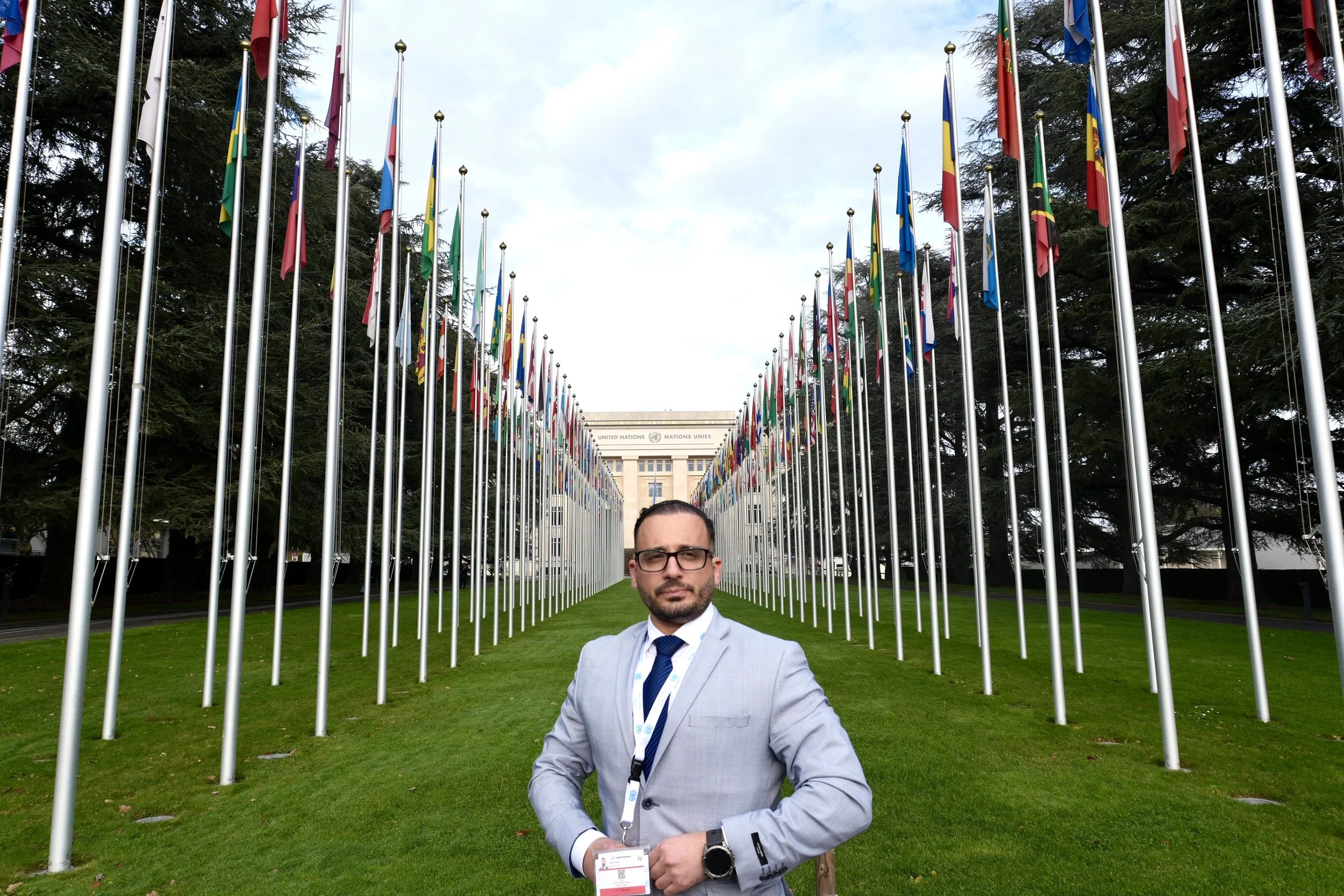
Also known as Mehdi Yehya (مهدي يحي), Mahdi Yahya is the Founder of Peace of Art (PoA) and Chairman of its International Committee. His work is driven by a commitment to addressing segregation and violence through the transformative power of education and art, combining creativity with humanitarian action.