From Classrooms to Communities: A Growing Global Partnership Between the University of Michigan and Peace of Art
Over the past two years, a dynamic and impactful partnership has been steadily evolving between Peace of Art International and the University of Michigan’s Global Scholars Program—one that connects academic study with applied humanitarian practice. Through this collaboration, students have engaged with real development challenges, contributing to ongoing efforts supporting vulnerable communities in Lebanon and beyond.
What happens when students move beyond the classroom and begin working on real humanitarian challenges—while still navigating academic frameworks and distance from the field?
At its core, this program is grounded in a shared vision: that education becomes truly meaningful when it connects with real-life contexts and communities, while maintaining academic rigor.
About the Global Scholars Program and Its Significance
The Global Scholars Program at the University of Michigan is designed to equip students with the knowledge, skills, and global awareness needed to navigate complex international challenges. Through partnerships with organizations such as Peace of Art, the program emphasizes experiential learning in global development, allowing students to apply academic frameworks within real operational environments.
The Global Scholars Program (GSP) is a living-learning community at the University of Michigan where students from more than three dozen countries live together and take classes on critical global issues. GSP prepares students to be interculturally responsive global citizens, contributors to meaningful change, and empathetic leaders through peer-led dialogues, collaboration with NGOs like Peace of Art International, a peace and human rights curriculum, and social and cultural community engagement.
For Peace of Art, this NGO–university partnership represents more than academic collaboration. It contributes to shaping future practitioners in the humanitarian and development sectors, while also bringing in diverse perspectives, research-based approaches, and new ways of analyzing challenges.
Year One: Engagement, Awareness, and Community Action
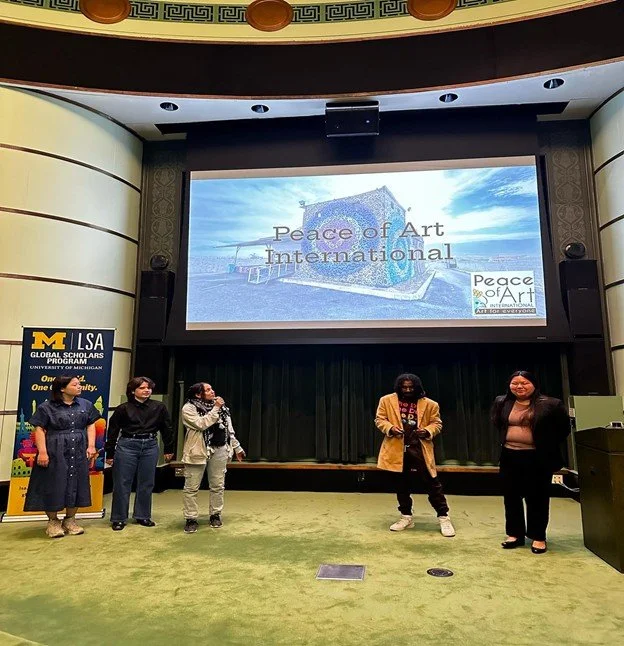
The first year of the partnership was characterized by student-led engagement and community-oriented initiatives. Students, working within the Global Scholars framework, designed and implemented activities aligned with Peace of Art’s mission of promoting peace through education, culture, andcivic engagement.
Through initiatives such as Ramadan-sensitive fundraising campaigns, clothing drives, and sustainability-focused thrift pop-ups, students demonstrated an inclusive and thoughtful approach to engagement. These efforts contributed to raising funds and awareness, while outreach activities engaged a broad student audience both on campus and through digital platforms.
One student group, for example, organized a small-scale thrift initiative that not only promoted sustainable consumption but also generated funds to support psychosocial activities for children in Lebanon. Beyond fundraising, they focused on storytelling—sharing the voices and experiences of communities to build deeper understanding and empathy among their peers.
Students also worked on awareness campaigns through social media and peer engagement, creating content that highlighted community needs and encouraged different forms of participation. This approach allowed engagement to extend beyond financial contributions, enabling students to contribute through communication, advocacy, and outreach.
Collectively, these initiatives expanded outreach, increased awareness, and strengthened student engagement with humanitarian issues beyond their immediate environment.
Year Two: From Engagement to Structured Capacity Building
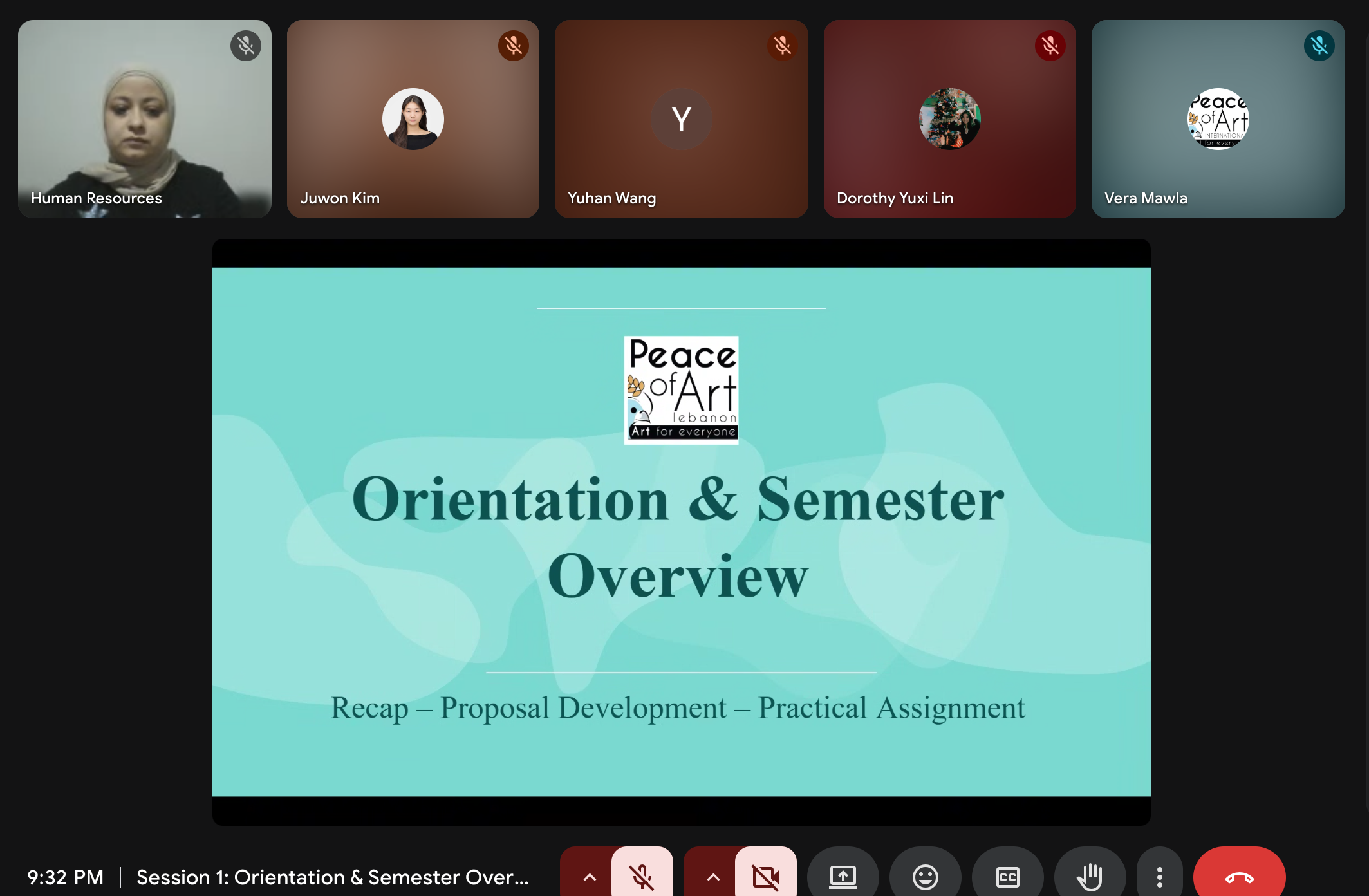
Building on this foundation, the second year marked a transition toward a more structured and competency-focused approach. The emphasis shifted toward developing practical skills in humanitarian project design and program development.
Students were guided through the full project cycle, including:
Program Leadership and Coordination
The success and continuity of this work are supported by a dedicated and collaborative leadership structure.
Dr. Benjamin Peters, who leads the Global Scholars Program, has played a central role in shaping its academic direction and ensuring meaningful engagement between students and partner organizations. His approach emphasizes critical thinking, ethical engagement, and applied practice.
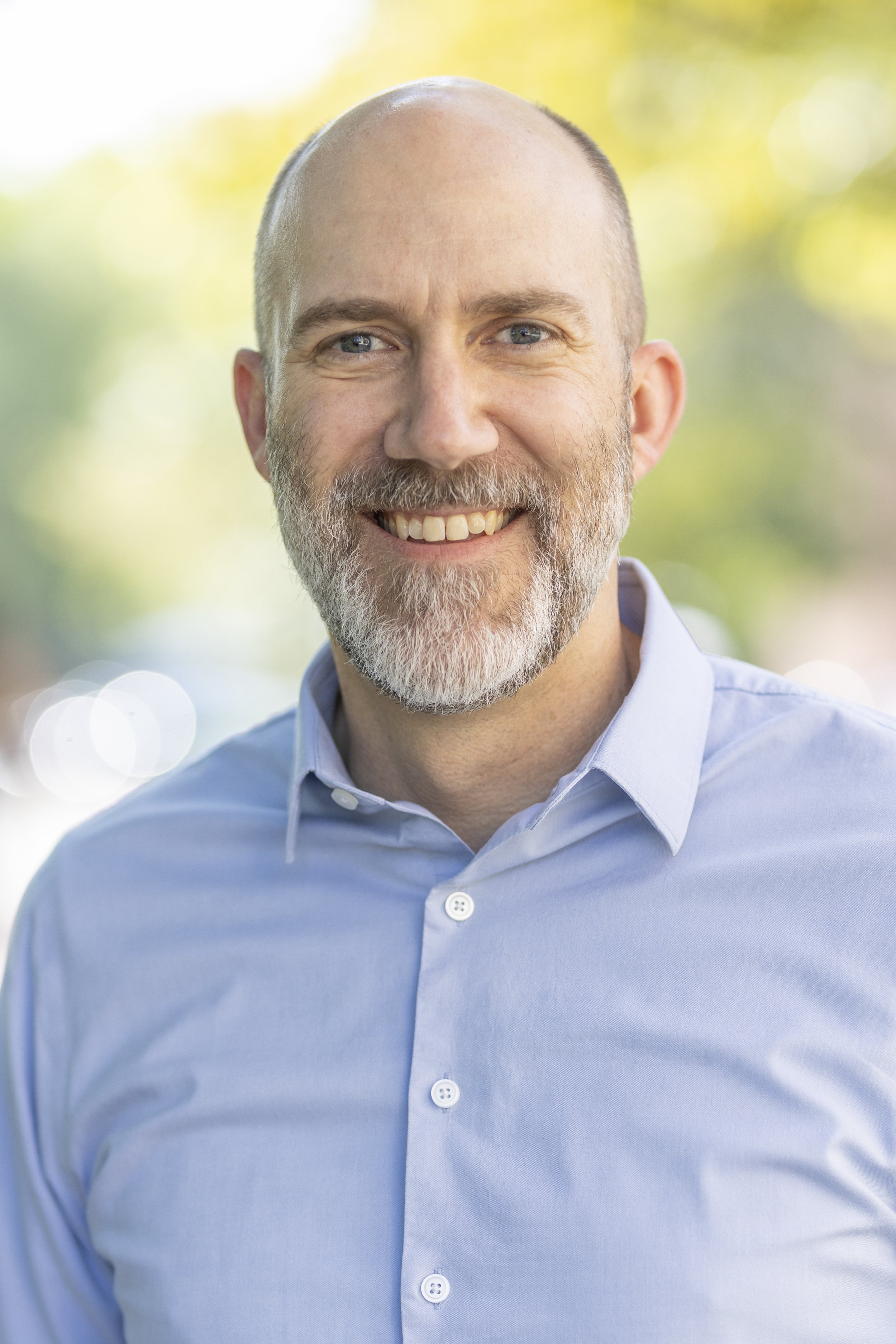
Dr. Benjamin Peters is Director of the Global Scholars Program and a faculty member at the University of Michigan. He is a writer and editor in the fields of political science and peace studies and has taught in Japanese and U.S. universities for twenty years. He is currently a member of the Board of Directors of ALPHA Education, a Canadian nonprofit promoting a critical-historical inquiry of World War II in Asia that contributes to peace and reconciliation.
Perspective from Dr. Benjamin Peters:
"All of us at GSP are grateful to Peace of Art International. Through this partnership, GSP students have been able to learn from and support Peace of Art's mission of peace-building through dialogue, education, and civic engagement. Even though the students complete their projects here in the U.S., the opportunity to collaborate with their supervisors at Peace of Art has provided valuable opportunities for bi-directional learning and cultural exchange, and many reflect that the experience has strengthened their belief in and commitment to a culture of peace."
Sophie Stenroos has been instrumental in supporting program coordination and student engagement, ensuring smooth communication and consistent follow-up throughout the process.
"Sophie Stenroos is a graduate student at the University of Michigan studying UX research and design, and serves as a Global Engagement Coordinator for the Global Scholars Program. She works closely with University of Michigan Global Scholars and international partners to support projects that foster responsive global citizens, champions for meaningful change, and innovative leaders of tomorrow. She is passionate about using design and research to advance equity, inclusion, and global impact, particularly within the technology and healthcare sectors."
From Peace of Art’s side, Mahdi Yahya and Vera Al-Mawlahave led the design and development of the program content. Their work has been instrumental in translating academic frameworks into practical program design.
"Our focus was to move beyond theory and place students within the realities of humanitarian work—where decisions are shaped by context, constraints, and responsibility toward communities."
A Personal Perspective: Mentoring Future Practitioners
As the Head of Human Resources and Capacity Development at Peace of Art, I had the opportunity to work closely with the students throughout the program, providing mentoring, monitoring their progress, delivering training sessions, and offering structured feedback.
This included guiding students through the full project development process—from shaping initial ideas to developing structured proposals aligned with real humanitarian programming standards.
What was particularly notable was the shift in how students approached problem-solving—from initial ideas to more grounded, context-aware proposals. They demonstrated strong commitment to quality, actively incorporating feedback and refining their work.
“This experience highlighted the importance of creating learning spaces that are both practical and reflective. Working with the students was not only about transferring knowledge—it was about exchange, where ideas and perspectives enriched both sides.”
Looking Ahead: Expanding Impact and Strengthening Collaboration
As this partnership continues to grow, it offers a strong model for collaboration between academic institutions and field-based organizations within youth development programs.
An important milestone is the program’s symposium, which will provide a platform for students to present their work, reflect on their experience, and engage with a broader audience.
For Peace of Art, this represents an opportunity to further strengthen collaboration, expand engagement, and continue investing in future practitioners.
Conclusion
The partnership between Peace of Art and the University of Michigan’s Global Scholars Program highlights the value of connecting academic learning with applied practice. It has supported the development of practical skills among students while contributing to ongoing program design and knowledge exchange.
Despite operational challenges, the collaboration has maintained continuity and demonstrated meaningful outcomes.